Showing posts with label Indian history. Show all posts

Wednesday, January 1, 2025

The Indian Freedom Struggle: A Journey from Colonial Oppression to Independence

 The Indian freedom struggle stands as one of the most significant movements in world history, embodying the collective determination and resilience of a nation seeking independence from British colonial rule. Spanning almost two centuries, from the early resistance in the 19th century to the ultimate victory in 1947, this struggle is characterized by a series of events, movements, ideologies, and key leaders who shaped the path toward freedom. In this blog, we will explore the various stages of the Indian freedom struggle, key figures, major events, and the legacy of this movement that continues to resonate today.

Early Resistance: The First Signs of Rebellion (1857-1900)

The roots of the Indian freedom struggle can be traced back to the early 19th century when resentment against British colonial rule began to take shape. The British East India Company’s policies of economic exploitation, cultural domination, and political interference had long fueled discontent among the Indian population. However, it was the Sepoy Mutiny of 1857 (also known as the First War of Indian Independence) that marked the first large-scale, organized rebellion against British rule.

The Sepoy Mutiny (1857-1858)

The revolt began as a military mutiny but soon spread to become a mass uprising against the British. It was sparked by the introduction of new rifle cartridges rumored to be greased with cow and pig fat, offending both Hindu and Muslim sepoys. The rebellion saw widespread participation from soldiers, peasants, artisans, and local rulers. Key figures like Mangal Pandey, Rani Lakshmibai of Jhansi, and Bahadur Shah Zafar, the last Mughal emperor, became symbols of resistance.

Though the mutiny was suppressed by the British after a year of intense fighting, it marked the beginning of a more widespread desire for independence. The revolt was brutally crushed, and the British government took direct control of India, ending the East India Company's rule. However, it also laid the groundwork for future uprisings, marking the first significant sign of Indian unity against colonial oppression.

The Rise of Nationalism and the Formation of the Indian National Congress (1885)

Following the suppression of the 1857 revolt, India witnessed a period of political and social reorganization. The formation of the Indian National Congress (INC) in 1885, under the leadership of Allan Octavian Hume, played a pivotal role in the eventual fight for independence. Initially, the INC sought reforms and greater Indian representation within the British colonial structure. However, as the 20th century progressed, it evolved into a platform for demanding full independence.

Moderates and Extremists

In the early years, the INC was dominated by moderates who believed in seeking constitutional reforms through dialogue with the British. Leaders like Dadabhai Naoroji, Gopal Krishna Gokhale, and Lala Lajpat Rai championed economic reforms and social change. However, by the early 1900s, a more radical group known as the Extremists emerged, advocating for direct action and greater resistance to British rule. Leaders like Bal Gangadhar Tilak, Bipin Chandra Pal, and Subhas Chandra Bose became prominent voices in the demand for independence, often pushing for a more confrontational approach.

The Gandhian Era: Non-Violent Resistance (1915-1947)

The Indian freedom struggle took a decisive turn with the arrival of Mahatma Gandhi in 1915. Having spent years in South Africa, Gandhi returned to India with a new vision for India’s independence: non-violent civil disobedience. Gandhi's philosophy of Satyagraha (truth force) and Ahimsa (non-violence) became the cornerstone of the Indian independence movement and inspired millions of Indians to join the cause.

Champaran and Kheda Movements (1917-1918)

Gandhi’s first successful experiment in India came in Champaran (1917), where he led a movement against the exploitation of indigo farmers by British planters. His non-violent methods of protest, such as strikes and boycotts, forced the British to concede to the demands of the farmers. Following Champaran, Gandhi’s leadership also extended to Kheda (1918), where he led an agitation against the high taxes imposed on peasants suffering from famine and crop failure.

The Non-Cooperation Movement (1920-1922)

The Non-Cooperation Movement, launched by Gandhi in 1920, marked a significant shift in the freedom struggle. Gandhi called for the boycott of British goods, services, and institutions. This movement galvanized millions of Indians, including students, workers, and women, to abandon British institutions and adopt swadeshi (self-reliance) principles. However, the movement was called off in 1922 after the Chauri Chaura incident, where a violent clash between protesters and the police led to the death of policemen. Gandhi’s decision to withdraw the movement showcased his commitment to non-violence.

The Salt March (1930) and Civil Disobedience Movement

One of the most iconic moments in India’s fight for independence was the Salt March in 1930. Gandhi led a 240-mile march to the coastal town of Dandi to protest the British monopoly on salt production. This act of civil disobedience symbolized defiance against British authority and attracted widespread participation. The Salt March marked the beginning of the Civil Disobedience Movement, a mass movement that involved non-payment of taxes, picketing, and the refusal to obey British laws. The movement spread rapidly across the country, with millions of Indians defying British rule.

The Quit India Movement (1942)

As World War II intensified, Gandhi and the INC demanded the immediate withdrawal of British forces from India through the Quit India Movement. This was a call for a mass uprising, and although it was suppressed brutally by the British, it signaled the end of British colonial rule. Leaders like Jawaharlal Nehru, Sardar Vallabhbhai Patel, and Subhas Chandra Bose played significant roles in mobilizing the nation during this period.

Subhas Chandra Bose and the INA

While Gandhi’s non-violent resistance dominated the mainstream freedom movement, another leader, Subhas Chandra Bose, took a more militant approach. Bose believed that India could achieve independence through armed struggle. He formed the Indian National Army (INA) with the help of Japan during World War II, aiming to fight against British rule with external support. Although Bose's efforts were unsuccessful, his legacy as a fighter for independence and his call for a "total revolution" continued to inspire generations.

The Road to Partition and Independence (1947)

By the 1940s, the British Empire was weakening, and the pressure for independence reached its peak. The Indian National Congress, led by Jawaharlal Nehru, and the All-India Muslim League, led by Muhammad Ali Jinnah, were locked in tense negotiations over the future of India. The INC advocated for a united India, while the Muslim League pushed for the creation of a separate Muslim-majority state, Pakistan.

The growing religious tensions and political deadlock led to the Partition of India in 1947. On August 15, 1947, India gained independence, but the victory was bittersweet as the country was divided into two nations: India and Pakistan. The partition led to widespread violence, mass migrations, and a deepening of religious divides.

Legacy of the Freedom Struggle

India’s independence was the result of decades of struggle, sacrifice, and determination. The freedom struggle brought together people from diverse backgrounds, including Hindus, Muslims, Sikhs, and others, united in their common desire for self-rule. The leaders of the struggle, such as Mahatma Gandhi, Jawaharlal Nehru, Sardar Vallabhbhai Patel, and Subhas Chandra Bose, left behind a rich legacy that continues to influence India today.

The partition of India remains one of the most traumatic events in the history of the subcontinent, but the triumph of the Indian freedom struggle also paved the way for the creation of one of the world’s largest democracies.

Conclusion

The Indian freedom struggle was a complex, multifaceted journey that involved numerous movements, ideologies, and leaders. While Mahatma Gandhi's non-violent resistance was at the heart of the movement, other figures like Subhas Chandra Bose, Jawaharlal Nehru, and Sardar Patel made significant contributions in their own right. The struggle culminated in India’s independence in 1947, a victory that was hard-won after years of oppression and sacrifice. Today, the freedom movement stands as a symbol of the power of collective action, non-violence, and the enduring fight for justice and equality.

Wednesday, December 25, 2024

Vijayanagara Empire: A Cultural Powerhouse


The Vijayanagara Empire, one of the most prominent South Indian empires, stood as a beacon of power, culture, and resilience from the 14th to the 17th centuries. Its strategic location in the Deccan Plateau allowed the empire to thrive in a region of abundant resources, fostering prosperity, creativity, and intellectual growth. This golden age saw the flourishing of governance, art, and literature that left a lasting imprint on Indian history and culture. Let’s explore the empire’s significant contributions in these areas.

Governance and Administration: A Model of Efficiency

The Vijayanagara Empire, founded by Harihara I and Bukka Raya I in 1336, developed an administrative structure that was sophisticated and far-reaching, becoming one of the most remarkable examples of governance in medieval India.

1. Centralized Bureaucracy:

  • The empire had a centralized form of governance, with the king at its head, but it was supported by a robust administrative system. The emperor was advised by a council of ministers and managed various provinces, each governed by a high-ranking official who reported back to the capital.
  • The administration was highly organized, with specific departments for revenue, military affairs, and justice. The king’s officers were responsible for overseeing taxes, maintaining law and order, and ensuring that the empire ran efficiently.

2. Revenue System:

  • The Vijayanagara Empire’s revenue system was sophisticated, relying on a mix of land taxes and tribute from neighboring states. The agrarian economy was the backbone of the empire, with a significant portion of the tax revenue coming from agriculture.
  • Additionally, the empire maintained control over trade routes, which contributed to its wealth. The state’s revenue was also bolstered by the flourishing textile, metalwork, and spice industries.

3. Military Organization:

  • The Vijayanagara Empire maintained a powerful and well-organized military, utilizing advanced tactics and weaponry. The empire’s military forces included a combination of infantry, cavalry, and war elephants, along with a strong navy that guarded the empire’s coastal trade routes.

Art and Architecture: A Renaissance of Creativity

The Vijayanagara Empire is renowned for its distinctive style of art and architecture, which represented a fusion of indigenous Dravidian and Islamic styles. This cultural synthesis led to the creation of some of the most iconic monuments of the medieval period.

1. Architectural Marvels:

  • The capital city of Vijayanagara, Hampi, was a city of immense grandeur and magnificence. Its temples, palaces, and markets reflect the empire's artistic excellence.
  • Notable examples of Vijayanagara architecture include the Virupaksha Temple, the Vitthala Temple, and the Hazara Rama Temple. These structures were adorned with intricate carvings, expansive courtyards, and towering gopurams (gateway towers), showcasing the skills of the master artisans of the time.
  • The empire’s architects also constructed beautiful step wells, water reservoirs, and public baths, demonstrating an advanced understanding of urban planning and hydraulic engineering.

2. Sculpture and Painting:

  • Sculpture flourished under the Vijayanagara Empire, with artisans carving remarkable images of gods, goddesses, and mythical creatures. These sculptures were often created in stone, and their detailed expressions and intricate designs reflect the high level of skill achieved by the sculptors.
  • The Vijayanagara Empire also saw the growth of religious painting, with vivid depictions of Hindu deities and scenes from religious texts painted on temple walls.

3. Influence of Islamic Art:

  • The interaction between Hindu and Muslim cultures during the Vijayanagara period led to the fusion of Islamic and Hindu architectural styles. This is evident in the design of several buildings in Hampi, where Islamic elements like domes and arches were incorporated into Hindu temple architecture, creating a distinctive blend of artistic traditions.

Literature: A Flourishing of Intellectual Endeavors

The Vijayanagara Empire was also a cultural haven for literature and intellectual pursuits. The rulers of the empire were great patrons of scholars, poets, and artists, and the court became a center for literary activity.

1. Promotion of Sanskrit and Regional Languages:

  • The Vijayanagara kings were great patrons of Sanskrit and regional languages such as Telugu, Tamil, and Kannada. This led to a blossoming of literary works in these languages, with many scholars writing epic poems, plays, and philosophical texts.
  • The empire's rulers encouraged scholars to write both religious and secular works, promoting a climate of intellectual freedom and creativity.

2. Contributions of Notable Poets and Writers:

  • One of the most celebrated figures of this period was the poet-saint Allama Prabhu, whose works in Kannada are still revered today. His mystic poetry was marked by its deep spiritual insight and philosophical depth.
  • Telugu literature also flourished during the Vijayanagara period, with poets such as Srinatha and Tenali Ramakrishna contributing to the cultural richness of the empire. These poets wrote extensively on mythology, history, and social issues, and their works continue to inspire generations.
  • Another significant figure was the scholar and poet, Tuluva dynasty’s Krishnadevaraya, who wrote the Amuktamalyada, a Telugu text that combines both devotion and the complexities of royal duty.

3. The Promotion of Religious Literature:

  • The Vijayanagara Empire’s rulers were deeply devoted to Hinduism, and they supported the production of religious texts and commentary. This included the commissioning of works that elaborated on the Puranas and epics like the Ramayana and Mahabharata.
  • The empire also saw a revival of the Bhakti movement, with saints and poets like Ramanuja and Basava gaining prominence, spreading devotional literature that reached people from all walks of life.

Conclusion: Legacy of a Cultural Powerhouse

The Vijayanagara Empire stands as one of India’s greatest cultural dynasties. Its achievements in governance, art, and literature left a profound legacy that resonated far beyond its borders. By nurturing a system of effective administration, supporting the flourishing of fine arts and architecture, and fostering a literary culture that spanned multiple languages and traditions, the empire cemented its place in the annals of history. The ruins of Hampi today, with its magnificent temples and monuments, continue to bear witness to the grandeur of a civilization that was a true cultural powerhouse of its time.

Wednesday, December 18, 2024

Sikhism: The Birth of a New Faith


Sikhism, one of the youngest and most vibrant world religions, emerged in the late 15th century in the Punjab region of northern India. It was founded by Guru Nanak Dev Ji against the backdrop of religious and political turbulence in medieval India. The birth of Sikhism marked a transformative moment in the history of Indian spirituality, as it arose as a response to the social, political, and religious upheaval of the time. Through the teachings of Guru Nanak and his successors, Sikhism forged a unique path that emphasized equality, devotion to one God, and social justice.


Historical Context: Religious and Political Turmoil in Medieval India

To understand the birth of Sikhism, it's important to consider the religious and political environment of the medieval period:

  • Islamic Expansion: The Delhi Sultanate and later the Mughal Empire introduced Islamic rule in India. While rulers like Akbar promoted religious tolerance, the period also saw tensions between Hinduism and Islam, which affected the social fabric.
  • Hinduism’s Struggles: Traditional Hinduism was also undergoing transformations, with various movements like Bhakti and Sant traditions, which emphasized devotion and personal connection with God.
  • Caste System: The rigid caste system oppressed vast sections of society, leading to social inequality and injustice. Many reform movements sought to address these issues, but they often lacked a cohesive voice or organizational structure.

The Birth of Sikhism: Guru Nanak’s Vision

Guru Nanak Dev Ji, the founder of Sikhism, was born in 1469 in Nankana Sahib (present-day Pakistan). His life and teachings were deeply influenced by the socio-political and religious climate of the time.

  • Early Life and Spiritual Journey: Nanak grew up in a Hindu family but was deeply affected by the inequality and religious divisions he saw in society. At the age of 30, after a profound spiritual experience, he proclaimed his vision: "There is no Hindu, there is no Muslim." This declaration embodied his commitment to breaking down religious barriers and promoting unity.
  • Core Beliefs:
    • Monotheism: Sikhism emphasizes belief in one God, known as Waheguru, who is formless, eternal, and beyond human understanding.
    • Equality: Guru Nanak rejected the caste system, idol worship, and ritualistic practices. He advocated for equality of all people, regardless of their caste, gender, or religion.
    • Service and Devotion: Nanak emphasized seva (selfless service) and simran (remembrance of God), guiding followers to live a life of humility, honesty, and compassion.
    • The Guru’s Teachings: Guru Nanak’s teachings were encapsulated in hymns and poetry, which later formed the basis of Sikh scripture, the Guru Granth Sahib.

The Evolution of Sikhism: The Gurus and the Expansion of the Faith

Guru Nanak’s teachings did not end with his death in 1539; instead, his legacy was carried forward by a succession of nine other Gurus who shaped the evolution of Sikhism. Each Guru added to the faith's principles and practices, building a community that would become a powerful force in the subcontinent.

  • Guru Angad (1504–1552): Guru Angad compiled and standardized the Gurmukhi script, which allowed the Sikh scriptures to be written down and preserved for future generations.
  • Guru Amar Das (1479–1574): Guru Amar Das further promoted equality and social justice, establishing the practice of langar (free community kitchen) to serve meals to all, regardless of caste or creed.
  • Guru Ram Das (1534–1581): Guru Ram Das, the fourth Guru, founded the city of Amritsar, which became the spiritual heart of Sikhism.
  • Guru Arjan Dev (1563–1606): Guru Arjan Dev compiled the first edition of the Adi Granth, the holy scripture of Sikhism, and laid the foundation for the Golden Temple in Amritsar. He was also the first martyr of Sikhism, executed by the Mughal Emperor Jahangir.
  • Guru Hargobind (1595–1644): Guru Hargobind introduced the concept of the Miri-Piri (spiritual and temporal authority), advocating that Sikhs should defend themselves from persecution while maintaining spiritual devotion.
  • Guru Gobind Singh (1666–1708): The tenth and final Guru, Guru Gobind Singh, solidified Sikhism as a martial community by creating the Khalsa in 1699, a collective of Sikhs committed to fighting for justice. He also declared that after his death, the Guru Granth Sahib would be the eternal Guru, marking the end of the line of human Gurus.

The Sikh Community and the Rise of the Khalsa

Guru Gobind Singh’s establishment of the Khalsa was a transformative moment in Sikh history.

  • The Khalsa Initiation: In 1699, Guru Gobind Singh invited his followers to undergo a baptismal ceremony known as Amrit Sanskar, where they adopted the Five Ks (Kesh, Kara, Kanga, Kachera, and Kirpan), symbolizing their commitment to Sikh principles of justice, equality, and courage.
  • The Sikh Military Tradition: The Khalsa became the military arm of the Sikh community, defending the faith against Mughal oppression and the persecution of Sikhs. This period saw the rise of Sikh warriors like Banda Singh Bahadur, who led successful campaigns against Mughal forces in the early 18th century.

Sikhism and Its Influence on Medieval India

Sikhism’s rise directly impacted the socio-political landscape of medieval India.

  • Challenge to Mughal Authority: The Mughals, particularly under Emperor Aurangzeb, viewed Sikhism’s growing power as a threat. The Sikh Gurus were often persecuted, with Guru Arjan Dev and Guru Tegh Bahadur being martyred for refusing to convert to Islam.
  • Defense of Religious Freedom: The Sikhs, under the leadership of Guru Gobind Singh and his successors, became staunch defenders of religious freedom and equality, directly opposing the oppressive policies of the Mughals.
  • Social Reforms: Sikhism’s emphasis on equality, justice, and service influenced other reform movements in India and laid the foundation for later movements against the caste system and social inequality.

Sikhism’s Legacy in Modern India and Beyond

Sikhism’s influence extends far beyond the medieval period and continues to shape the religious and cultural landscape of modern India.

  • Social Justice: The Sikh emphasis on equality, social service, and the rejection of caste continues to influence Indian society today.
  • Global Diaspora: Sikhism has spread worldwide, with significant communities in countries such as Canada, the United States, and the United Kingdom.
  • Political and Cultural Identity: The Sikh community has played an influential role in Indian politics, economics, and culture, particularly in the Punjab region.

Conclusion

The birth of Sikhism was a revolutionary event in the history of medieval India, offering a new path of spirituality that was based on the ideals of equality, justice, and devotion to one God. Guru Nanak’s teachings and the evolution of Sikhism under the successive Gurus provided an alternative vision of society and spirituality, one that directly challenged the social hierarchies and religious divisions of the time. Today, Sikhism continues to inspire millions with its message of love, equality, and service to humanity.


Wednesday, December 11, 2024

The Battle of Panipat: Three Epochal Conflicts that Shaped Medieval Indian History


The three Battles of Panipat, fought in 1526, 1556, and 1761, stand as monumental events in the history of medieval India. Situated near Delhi, Panipat became the stage for some of the most significant military encounters in the subcontinent. These battles not only altered the course of Indian history but also shaped the political, cultural, and social landscape of the region for centuries. Let's explore these three epochal conflicts and their lasting impact on medieval India.


The First Battle of Panipat (1526): The Rise of the Mughal Empire

The First Battle of Panipat, fought on April 21, 1526, between Babur, the founder of the Mughal Empire, and Ibrahim Lodi, the Sultan of Delhi, was a watershed moment in Indian history.

Background

  • Babur’s Invasion: Babur, a descendant of Timur and Genghis Khan, had already established a stronghold in Kabul. Seeking to expand his empire into India, he launched an invasion, capitalizing on the weakening Delhi Sultanate under Ibrahim Lodi.
  • Ibrahim Lodi’s Weak Rule: Ibrahim Lodi’s reign was marked by internal dissent, with powerful Afghan chiefs opposing his leadership, which undermined his ability to effectively challenge Babur.

The Battle

  • Technological Superiority: Babur's army, though smaller in number, was equipped with advanced artillery, including field guns, which played a pivotal role in his victory. Babur’s tactical brilliance, including his use of the Tulughma strategy (an encirclement tactic), helped him decisively defeat Ibrahim Lodi’s larger forces.
  • The Fate of Ibrahim Lodi: Ibrahim Lodi was killed in battle, and the Lodi dynasty came to an end, making way for the establishment of the Mughal Empire in India.

Impact on Indian History

  • Foundation of the Mughal Empire: This victory set the stage for the rise of the Mughal dynasty, which would go on to dominate India for the next three centuries, creating one of the most powerful and prosperous empires in the world.
  • Shift in Political Power: The defeat of the Lodi dynasty and the establishment of the Mughals marked the end of the Delhi Sultanate and a shift in the political dynamics of North India.
  • Cultural and Religious Transformation: The Mughals brought with them a new culture, combining Central Asian, Persian, and Indian elements, which influenced architecture, art, and administration.

The Second Battle of Panipat (1556): The Mughal Resurgence under Akbar

The Second Battle of Panipat, fought on November 5, 1556, was a critical turning point for the Mughal Empire under the leadership of Akbar, the grandson of Babur.

Background

  • Humayun’s Decline and Akbar’s Ascension: After Humayun’s death, his son Akbar, at the age of 13, was crowned emperor, but the Mughal Empire was on the brink of collapse due to internal strife and external threats.
  • Hemu’s Challenge: Hemu, an Afghan general who had risen to power in the north, led a rebellion against the Mughal Empire and declared himself emperor. Hemu’s forces, which had successfully conquered Delhi, marched towards the Mughal stronghold in Panipat.

The Battle

  • Akbar’s Victory: Akbar’s regent, Bairam Khan, led the Mughal army. In a fiercely contested battle, Hemu was struck by an arrow in the eye, causing his army to disband in panic. Hemu was captured and executed, and the Mughal Empire regained control of North India.
  • Strategic Importance: This victory consolidated Mughal power, securing the dynasty’s rule over a vast portion of India.

Impact on Indian History

  • Strengthening of the Mughal Empire: Akbar’s victory marked the resurgence of the Mughal Empire, which would soon reach its zenith under his leadership. Akbar went on to build a centralized administrative system, foster religious tolerance, and expand the empire to its greatest territorial extent.
  • End of Afghan Resistance: Hemu’s defeat marked the end of Afghan resistance in northern India and solidified Mughal control over the region.
  • Cultural Integration: Akbar’s reign saw the fusion of Persian, Central Asian, and Indian cultures, contributing to a unique Mughal identity in art, architecture, and governance.

The Third Battle of Panipat (1761): The Decline of the Mughal Empire and Rise of the Marathas

The Third Battle of Panipat, fought on January 14, 1761, was one of the largest and bloodiest fought in Indian history. It marked the beginning of the end for the Mughal Empire and the rise of the Marathas as the dominant force in India.

Background

  • Maratha Expansion: By the mid-18th century, the Marathas had become the most powerful force in India, with an expansive empire that stretched from Maharashtra to the north, including Delhi.
  • Ahmed Shah Abdali: The Durrani Empire, under Ahmed Shah Abdali, sought to reclaim control over northern India. Abdali, with the support of various Afghan and regional allies, including the Rohillas and Shuja-ud-Daula, the Nawab of Oudh, confronted the Marathas at Panipat.

The Battle

  • Tactical and Strategic Engagement: The Marathas, under the leadership of Sadashiv Ballal and the Peshwa’s forces, fought a valiant battle but were ultimately overwhelmed by Abdali’s forces. The Marathas suffered massive casualties, with estimates of the dead ranging from 60,000 to 70,000.
  • Political Consequences: The Maratha defeat at Panipat shattered their hopes of dominating North India. Abdali’s victory, however, was short-lived, as he soon withdrew from India, leaving the region unstable.

Impact on Indian History

  • The Decline of Mughal Power: With the Marathas defeated, the Mughals, now under the nominal rule of the Mughal Emperor Shah Alam II, were rendered powerless. This battle paved the way for the British East India Company to further consolidate its influence.
  • Maratha Retreat: Though the Marathas were defeated, they recovered and continued to exert power in central and western India. However, their influence in the north waned, and they were eventually overshadowed by the British.
  • Shift in Regional Power: The battle marked the decline of large regional empires and foreshadowed the rise of European colonial powers, especially the British, who gradually took control of India in the years that followed.

Conclusion: The Legacy of the Panipat Battles

The three Battles of Panipat were not merely military confrontations; they were decisive moments that reshaped the trajectory of Indian history.

  • The Mughal Empire: The first two battles solidified the Mughal rule, but the third battle marked its decline, opening the door for British colonial dominance.
  • Maratha Power: The Marathas, despite their defeat, continued to play a significant role in shaping Indian politics and culture until the British ultimately overtook them.
  • Shifts in Indian Society: These battles were part of a broader transformation in the political and cultural dynamics of India, influencing the way empires were structured and how power was contested.

The Battle of Panipat, in all its phases, reflects the complex nature of medieval Indian history—an ongoing struggle for dominance, marked by shifting allegiances, military innovations, and the rise and fall of powerful dynasties.


Wednesday, December 4, 2024

The Rajput-Mughal Wars: A Complex Tale of Conflict and Diplomacy


The history of the Rajput-Mughal relationship is a fascinating study of conflict, diplomacy, and shifting allegiances. Spanning several decades from the early 16th century through to the 18th century, this era was marked by a series of wars, alliances, and power plays that shaped the trajectory of Indian history. The Rajputs, a warrior class that ruled various kingdoms in north and central India, were not easily subdued by the Mughal emperors, and their interactions reflect the broader dynamics of India's political and military landscape during the time.

The Early Years of Mughal Expansion

The Mughal Empire, founded by Babur in 1526, began expanding rapidly across northern India. The Rajput kingdoms, with their deep-rooted traditions of martial prowess and local authority, represented a significant obstacle to this expansion. Initially, the Rajputs were not unified in their approach to the Mughals. Some rulers sought alliances with the Mughal emperors, recognizing the power and prestige that could come with submission, while others resisted fiercely to preserve their sovereignty.

Emperor Akbar's Diplomacy and the Rajput Question

Emperor Akbar (reigned 1556–1605) is perhaps the most notable Mughal ruler to engage with the Rajputs diplomatically. His policies of conciliation and integration were pivotal in reducing direct conflict with the Rajputs. Akbar employed a strategy of marrying Rajput princesses, integrating Rajput chiefs into the Mughal administrative system, and offering them positions of power within the empire. This approach was encapsulated in the famous Rajput policy, where the Rajputs were invited to join the Mughal court rather than fight against it.

A significant milestone in this diplomatic strategy was Akbar’s marriage to Mariam-uz-Zamani, the daughter of Raja Bharmal of Amber (Jaipur), in 1562. This union solidified an alliance with one of the most powerful Rajput states, which would be followed by other similar marriages with prominent Rajput families. These marriages helped to pacify many Rajput rulers and brought them into the Mughal fold. In return, Akbar ensured that the Rajputs retained a degree of autonomy in their kingdoms, with some regions even being ruled by Rajput vassals.

However, not all Rajputs were convinced by Akbar’s overtures. Raja Pratap Singh of Mewar, one of the most famous Rajput kings, resisted Mughal dominance, leading to one of the most intense conflicts of the era.

The Struggle for Mewar: Rana Pratap and the Battle of Haldighati

One of the defining moments of the Rajput-Mughal conflict occurred in 1576 at the Battle of Haldighati. Rana Pratap Singh of Mewar, a legendary Rajput warrior, refused to submit to Akbar’s authority, leading to a fierce battle between the forces of Mewar and the Mughals. Despite Akbar's military might and the heavy casualties sustained by the Rajputs, Rana Pratap's resistance became symbolic of Rajput defiance. Though the battle ended inconclusively, with both sides suffering significant losses, Rana Pratap’s unyielding stance against the Mughal Empire continued to inspire future generations of Rajput warriors.

Even after Haldighati, Rana Pratap’s resistance did not waver, and he continued to wage guerrilla warfare against the Mughals, refusing to recognize Akbar’s sovereignty over Mewar. However, the Rajput resistance was not entirely without diplomatic overtures. In the later years of Akbar’s reign, efforts were made by both sides to restore peace, although Mewar remained outside the Mughal fold.

Jahangir and the Changing Nature of Rajput Relations

Under Akbar’s successor, Emperor Jahangir (reigned 1605–1627), the Rajput relationship with the Mughals underwent another shift. Jahangir’s policies were less conciliatory than those of his father, and his reign saw renewed hostilities with some Rajput rulers. Nevertheless, the Rajputs continued to play a pivotal role in the Mughal empire. Emperor Jahangir himself was married to Mehrun-Nisa (Empress Nur Jahan), a woman of Rajput descent, further intertwining Mughal and Rajput politics.

Jahangir’s reign was also marked by the loyalty of some Rajput kings, such as Raja Man Singh of Amber, who served as one of the emperor’s most trusted generals. Raja Man Singh’s service to the Mughal empire and his role in consolidating Mughal power in Rajasthan stood in stark contrast to the rebellious spirit of rulers like Rana Pratap.

The Decline of Rajput Power: Aurangzeb and the Resurgence of Hostilities

The reign of Aurangzeb (1658–1707) marked the final chapter in the Rajput-Mughal wars. Unlike his predecessors, Aurangzeb adopted a more rigid and orthodox Islamic policy, leading to renewed tensions with the Rajput rulers. Many Rajput states, especially in Rajasthan, began to resist the Mughal imposition of direct rule. Aurangzeb’s attempts to forcefully annex Mewar and other Rajput territories through military campaigns like the long-drawn-out siege of Chittorgarh were met with stiff resistance.

Despite this, some Rajput rulers, such as the Marwar rulers under Raja Jaswant Singh, remained loyal to the Mughal crown. These Rajputs were able to balance their autonomy with loyalty to the Mughal emperor, but their cooperation did not prevent the decline of Mughal influence in Rajasthan. The constant friction between the Rajputs and Aurangzeb, combined with his increasingly unpopular policies, marked the beginning of the slow disintegration of Mughal power.

The Final Phase: Rajput Independence and the Mughal Decline

As the Mughal Empire began to weaken in the 18th century, the Rajput states, previously under Mughal suzerainty, began asserting their independence. The disintegration of Mughal central authority during the reign of Bahadur Shah I (1707–1712) and the subsequent decline of the empire left many Rajput kingdoms free to chart their own course. The Rajputs, who had once fought against the Mughals, now found themselves dealing with a new set of challenges, including the rise of the Marathas and the British East India Company.

Conclusion

The Rajput-Mughal wars were not just a series of military conflicts; they were a complex interplay of power, culture, and diplomacy. The Rajputs, known for their fierce independence and warrior ethos, clashed with the Mughals, who represented a new political order in India. Over time, the dynamics between these two groups evolved, from bitter resistance to strategic alliances, from intense battles to nuanced diplomacy. By the end of the 17th century, the Rajputs had largely secured their position, but the Mughal Empire, weakened by internal conflicts and external pressures, was in irreversible decline.

The legacy of the Rajput-Mughal wars is still visible today in the fortresses, palaces, and traditions of Rajasthan, as well as in the enduring spirit of Rajput valor and defiance. These wars, marked by both conflict and collaboration, are a testament to the complexity of India's history during the early modern period.

Wednesday, November 27, 2024

Invasions and Conquests: Ghazni to Timur – Impact on Indian Society and Economy


India’s history is marked by a series of external invasions and conquests, many of which have had profound effects on its social structure, economy, and cultural fabric. From the early incursions of Mahmud of Ghazni to the catastrophic conquests of Timur, these invasions reshaped India’s destiny in many ways, leaving behind legacies that continue to influence the subcontinent to this day.

The Invasion of Mahmud of Ghazni (1001-1027)

Mahmud of Ghazni’s invasions in the early 11th century are often cited as one of the first significant external threats to Indian society. Ghazni, a ruler of the Ghaznavid Empire, launched a series of raids into northern India, targeting the rich and prosperous temples and cities. His raids, especially his attacks on the Somnath Temple, are infamous for their destruction and plundering.

Impact on Society and Economy:

  • Cultural Losses: Mahmud’s attacks were primarily aimed at looting the immense wealth of India’s temples. The economic losses were considerable, but more enduring were the cultural losses. These raids destroyed innumerable works of art, manuscripts, and religious texts.
  • Economic Disruption: Ghazni's incursions disrupted trade and agriculture in the regions he plundered. The fear of invasion led to instability, and people were forced to abandon their homes, leading to economic stagnation in affected areas.
  • Shifting Power Dynamics: The invasions weakened the existing regional powers, particularly in northern India, and set the stage for the establishment of Muslim rule in India. This marked the beginning of a period where the subcontinent saw the rise of new power structures.

The Delhi Sultanate (1206-1526)

The establishment of the Delhi Sultanate in 1206 by Qutb-ud-din Aibak, following the conquest of Delhi by Muhammad Ghori in 1192, marked a turning point in India’s history. The Delhi Sultanate witnessed multiple invasions, particularly under rulers like Alauddin Khilji, Muhammad bin Tughlaq, and others.

Impact on Society and Economy:

  • Social Stratification and Changes: The Delhi Sultanate brought a new class of rulers and administrators, mostly from Central Asia and Persia. This led to a fusion of Persian and Turkish cultures with the existing Indian traditions, resulting in changes in language, art, and architecture.
  • Agriculture and Taxation: The rulers of the Sultanate introduced new taxation systems that often burdened the peasantry. The agrarian economy of India was taxed heavily to support the Sultanate’s military expeditions, which disrupted agricultural productivity in some areas.
  • Urbanization and Trade: Despite the disruptions caused by invasions, the Delhi Sultanate also encouraged urbanization. New cities like Delhi, Lahore, and others flourished as centers of commerce, administration, and culture. Trade networks between India, Central Asia, and the Middle East expanded during this period.

The Mughal Empire (1526-1857)

The Mughal Empire, founded by Babur after his victory at the Battle of Panipat in 1526, marked a new phase in the history of invasions and conquests. The Mughals established a powerful and enduring empire that influenced Indian society and economy in profound ways.

Impact on Society and Economy:

  • Economic Prosperity: Under rulers like Akbar, the economy of India flourished. The Mughals promoted agricultural expansion, introduced new irrigation systems, and facilitated trade, both domestic and international. India’s economy during the Mughal period was one of the largest in the world.
  • Cultural Synthesis: The Mughals are credited with fostering a syncretic culture that blended Persian, Central Asian, and Indian traditions. This cultural amalgamation was reflected in art, architecture, literature, and cuisine. However, it also led to some tensions as different social groups experienced the Mughal rule in distinct ways.
  • Social Hierarchies: While the Mughals established a centralized administration, they also imposed a rigid social hierarchy. The Mughal rulers were able to integrate various regional kingdoms into their empire, but at times, they encountered resistance from the local Rajput kingdoms and other regional powers.

The Invasion of Timur (1398)

Timur’s invasion of India in 1398 was one of the most devastating events in the history of the subcontinent. Timur, the Turkic-Mongol ruler, marched into India and sacked Delhi, leaving behind a trail of destruction. His invasion marked the end of the Delhi Sultanate’s golden period and ushered in a phase of instability.

Impact on Society and Economy:

  • Devastation and Displacement: Timur’s invasion had catastrophic consequences for Delhi. The city was looted and many inhabitants were killed or taken captive. The economic impact of this invasion was severe, as Delhi had been the economic and cultural heart of the Indian subcontinent. The loss of life and disruption to trade networks resulted in a prolonged period of economic stagnation.
  • Collapse of Central Authority: Timur’s invasion weakened the central authority of the Delhi Sultanate, leading to the rise of local rulers and the fragmentation of the empire. This created a power vacuum that eventually allowed for the rise of the Mughal Empire.
  • Cultural Setback: The destruction caused by Timur’s army severely impacted the cultural and intellectual life in Delhi. Many scholars, artists, and intellectuals fled, leading to a decline in the cultural vibrancy of the region for several years.

Conclusion

The invasions and conquests from Ghazni to Timur left an indelible mark on Indian society and economy. While these external forces brought destruction, they also led to the emergence of new social structures, economic policies, and cultural exchanges. The subcontinent was shaped by these invasions, but India’s resilience ensured that it continued to evolve, absorbing the changes brought by these foreign invaders, and eventually integrating them into its complex mosaic of society, culture, and economy.

Wednesday, November 20, 2024

The Influence of Persian Culture on Indian Arts


The confluence of Persian and Indian cultures created one of the most vibrant and enduring artistic traditions in history, particularly during the Mughal era (1526–1857). The Mughals, originally of Central Asian descent, brought Persian artistic sensibilities to India, merging them with local traditions to create a unique and eclectic style. This synthesis enriched Indian architecture, painting, literature, and crafts, leaving a legacy that continues to influence Indian aesthetics today.


Persian Cultural Foundations in India

Persian culture began to influence India long before the Mughal period. The Delhi Sultanate (1206–1526) established Persian as the language of administration and court culture, setting the stage for deeper integration during the Mughal era.

  • Language and Literature: Persian became the lingua franca of the courts and elite, fostering the development of a rich Indo-Persian literary tradition.
  • Religion and Mysticism: The spread of Sufism introduced Persian poetic and mystical traditions, resonating with Indian spiritual philosophies.

The Mughal Era: Fusion of Persian and Indian Arts

1. Architecture

Mughal architecture is the most visible and enduring testament to the fusion of Persian and Indian styles.

  • Key Persian Influences:
    • Use of symmetrical layouts, domes, iwans (arched entrances), and minarets.
    • Ornamental techniques such as mosaic work, inlay, and calligraphy.
  • Indian Elements:
    • Integration of local materials like red sandstone and marble.
    • Hindu motifs like lotus patterns and temple-like chhatris (domed pavilions).

Iconic Examples:

  • Humayun’s Tomb: The first garden tomb in India, inspired by Persian charbagh (four-part garden) designs.
  • Taj Mahal: A masterpiece blending Persian symmetry and Indian intricacy, commissioned by Shah Jahan.
  • Fatehpur Sikri: Akbar’s capital, showcasing Persian geometric precision alongside Indian embellishments.

2. Painting and Miniature Art

Mughal miniature paintings represent a rich amalgamation of Persian techniques and Indian themes.

  • Persian Contributions:
    • Delicate brushwork, vibrant colors, and meticulous attention to detail.
    • Themes of Persian epics, courtly life, and hunting scenes.
  • Indian Adaptations:
    • Depiction of local flora, fauna, and landscapes.
    • Incorporation of Hindu and Jain narratives alongside Islamic themes.

Prominent Artists and Works:

  • Akbar’s atelier brought Persian masters like Mir Sayyid Ali and Abd al-Samad, who trained Indian artists.
  • Akbarnama and Hamzanama: Illustrated manuscripts blending Persian styles with Indian storytelling.
  • Jahangir’s Naturalism: Under Jahangir, Mughal painting emphasized naturalistic portrayals, combining Persian finesse with Indian realism.

3. Calligraphy and Decorative Arts

Persian calligraphy flourished under the Mughals, adorning manuscripts, architecture, and objects of daily use.

  • Scripts: Naskh, Nastaliq, and Thuluth were widely used.
  • Integration: Indian artisans combined Persian calligraphy with local decorative patterns, particularly in textiles, pottery, and jewelry.

Notable Contributions:

  • Quranic inscriptions on monuments like the Taj Mahal.
  • Exquisite manuscript illumination combining Persian finesse and Indian motifs.

4. Literature and Poetry

Persian literature flourished in India during the Mughal period, with emperors like Akbar and Jahangir patronizing poets, scholars, and historians.

  • Persian Epics and Poetry: Works by poets like Amir Khusrau and Abul Fazl reflected a blend of Persian themes and Indian experiences.
  • Indo-Persian Literature: Chronicles like the Baburnama and Akbarnama integrated Persian prose with Indian historical contexts.
  • Urdu’s Emergence: The interaction between Persian, Arabic, and local languages led to the birth of Urdu, a new literary medium.

5. Textiles and Crafts

Persian influence extended to the decorative arts, particularly textiles and crafts, which combined Persian designs with Indian craftsmanship.

  • Mughal Carpets: Inspired by Persian patterns, these featured floral motifs, intricate geometry, and Indian color palettes.
  • Kashmiri Shawls: The art of weaving woollen shawls, influenced by Persian traditions, flourished in Kashmir.
  • Jali Work: Intricate lattice screens in stone, inspired by Persian designs, became a hallmark of Mughal architecture.

The Legacy of Indo-Persian Art

The Indo-Persian artistic tradition left a profound legacy:

  1. Cultural Synthesis: The fusion of Persian and Indian styles symbolized the cultural harmony promoted by the Mughals, particularly under Akbar’s policy of Sulh-e-Kul (universal tolerance).
  2. Global Influence: Indo-Persian art influenced neighboring regions, inspiring architectural and artistic developments in Central Asia and beyond.
  3. Modern Resonance: The Taj Mahal, Mughal miniatures, and Persian-inspired textiles continue to be celebrated globally, attracting scholars and art enthusiasts alike.

Conclusion

The influence of Persian culture on Indian arts under the Mughals represents one of history’s most remarkable instances of cultural fusion. This era not only enriched India’s artistic heritage but also underscored the power of collaboration and mutual respect between civilizations. Today, the Indo-Persian aesthetic continues to captivate, reminding us of a time when art bridged worlds and celebrated diversity.


Wednesday, November 13, 2024

The Bhakti and Sufi Movements: Catalysts for Spiritual Unity and Social Reform


The Bhakti and Sufi movements, emerging between the 12th and 17th centuries, were transformative spiritual and social reform movements in India. While rooted in distinct religious traditions—Hinduism and Islam, respectively—both emphasized devotion, love, and the inner spiritual experience over ritualism and dogma. These movements transcended religious barriers, fostering a sense of unity and equality in a society fragmented by caste, creed, and orthodoxy.


The Bhakti Movement

The Bhakti movement was a devotional renaissance within Hinduism that emphasized personal devotion (bhakti) to a deity over ritualistic practices. It flourished in different parts of India, with regional variations and a host of saints contributing to its growth.

1. Key Principles of the Bhakti Movement

  • Monotheism: Many Bhakti saints preached devotion to a single, personal god such as Vishnu, Shiva, or a divine mother figure.
  • Equality: Rejected caste hierarchies and emphasized that devotion is open to all, irrespective of caste, gender, or social status.
  • Direct Connection with God: Advocated personal devotion as a means to salvation, bypassing priestly intermediaries.
  • Critique of Rituals and Idolatry: Many saints criticized meaningless rituals, idolatry, and orthodoxy.

2. Prominent Bhakti Saints

  • South India: The Alvars and Nayanars laid the foundation of the Bhakti movement through their hymns dedicated to Vishnu and Shiva.
  • North India: Saints like Kabir, Tulsidas, and Surdas emphasized devotion through simplicity.
  • Maharashtra: Saints like Sant Tukaram and Namdev spread the message of devotion and equality in regional Marathi dialects.
  • Bengal: Chaitanya Mahaprabhu preached ecstatic devotion to Krishna, influencing the Gaudiya Vaishnavism tradition.

3. Social and Cultural Impact

  • Challenging Caste: Saints like Kabir and Ravidas questioned caste discrimination, advocating a casteless society.
  • Women's Empowerment: Women saints such as Mirabai and Andal became prominent figures, breaking societal norms.
  • Regional Languages: Bhakti saints wrote in vernacular languages, making spiritual teachings accessible to the common people.

The Sufi Movement

The Sufi movement represented the mystical dimension of Islam, emphasizing the soul's union with the divine through love, devotion, and self-discipline. Sufism entered India with the advent of Muslim rulers and flourished through the establishment of Sufi orders (silsilas).

1. Key Principles of Sufism

  • Universal Love: Belief in love as the highest expression of the divine and a means to unite humanity.
  • Tawhid (Oneness of God): Emphasis on the unity of all existence as an expression of God’s presence.
  • Meditation and Devotion: Use of music (sama), poetry, and meditation to achieve spiritual ecstasy and closeness to God.
  • Service to Humanity: Advocated humility and selfless service as a path to spiritual fulfillment.

2. Prominent Sufi Saints in India

  • Khwaja Moinuddin Chishti: The founder of the Chishti order in India, whose dargah in Ajmer remains a symbol of communal harmony.
  • Nizamuddin Auliya: A beloved Sufi saint of Delhi who preached compassion and service to humanity.
  • Baba Farid: A pioneer of Sufi poetry in Punjab.
  • Hazrat Amir Khusrau: A disciple of Nizamuddin Auliya, he enriched Indian culture through his contributions to poetry, music, and language.

3. Social and Cultural Impact

  • Interfaith Dialogue: Sufis engaged in dialogue with Bhakti saints, bridging gaps between Hindu and Muslim communities.
  • Promotion of Music: Developed devotional music traditions such as qawwali.
  • Inclusivity: Welcomed followers from all walks of life, fostering communal harmony.

The Commonalities Between Bhakti and Sufi Movements

The Bhakti and Sufi movements, despite their different religious contexts, shared several ideals:

  • Devotion Over Ritualism: Both prioritized a personal and emotional connection with the divine.
  • Equality: Rejected rigid social hierarchies and embraced all people, regardless of caste, class, or religion.
  • Use of Vernacular Languages: Made spiritual teachings accessible to the masses.
  • Critique of Orthodoxy: Both movements challenged the authority of rigid religious institutions.

Social and Political Significance

  1. Religious Unity: These movements promoted communal harmony by emphasizing shared spiritual values over sectarian differences.
  2. Cultural Enrichment: Their teachings and practices inspired literature, music, and art across the Indian subcontinent.
  3. Empowerment of the Marginalized: Gave voice to marginalized communities, offering them dignity and inclusion in the spiritual realm.
  4. Foundation for Reform: Their emphasis on equality and love laid the groundwork for modern social reform movements.

Legacy of the Bhakti and Sufi Movements

The Bhakti and Sufi movements remain integral to India’s cultural and spiritual heritage:

  • Their teachings continue to inspire interfaith dialogue and social harmony.
  • Their music and poetry form a vital part of India’s cultural repertoire.
  • Temples and dargahs associated with these movements serve as living symbols of communal unity.

Conclusion

The Bhakti and Sufi movements were not just religious phenomena but transformative social movements that reshaped India’s spiritual and cultural landscape. By emphasizing love, devotion, and equality, they bridged divides and left a legacy of harmony and reform that resonates even today.


Wednesday, November 6, 2024

The Marathas and the Decline of Medieval India


The rise of the Marathas in the 17th century marked a turning point in Indian history, signaling the decline of the Mughal Empire and the end of the medieval era. Emerging from the rugged terrain of the Deccan, the Marathas were not just formidable warriors but also astute administrators and nation-builders. Under the leadership of visionary figures like Shivaji Maharaj, the Marathas challenged the might of the Mughals and laid the foundation for a confederacy that would dominate India for decades.


The Origins of the Marathas

The Marathas trace their roots to the Western Deccan plateau, a region characterized by its harsh geography and resilient people.

  • Cultural and Social Background: The Marathas were predominantly drawn from peasant and warrior communities, including the Kunbis and Deshmukhs, who developed a strong martial tradition.
  • Religious Influence: The Bhakti movement, spearheaded by saints like Tukaram and Eknath, fostered a sense of unity and identity among the Marathas, emphasizing devotion and social reform.

The Rise of Shivaji Maharaj

Shivaji Maharaj (1630–1680) stands as the architect of the Maratha Empire. His leadership transformed a fragmented community into a cohesive and powerful force.

  • Establishment of Swarajya (Self-Rule): Shivaji envisioned a kingdom free from Mughal and Adil Shahi dominance, founded on the principles of justice and inclusion.
  • Military Prowess: Shivaji’s strategies, such as guerrilla warfare and the construction of hill forts, allowed the Marathas to outmaneuver larger, better-equipped armies.
  • Coronation as Chhatrapati (1674): This event symbolized the formal establishment of the Maratha Empire, with Raigad as its capital.

Key achievements:

  • Capture of Forts: Fortresses like Torna, Rajgad, and Sinhagad became symbols of Maratha strength.
  • Naval Power: Shivaji built a strong navy to counter Portuguese and Siddi threats along the Konkan coast.

Expansion Under the Peshwas

After Shivaji’s death, the Maratha Empire underwent significant expansion under the Peshwas, hereditary prime ministers who effectively governed the state.

  • Balaji Vishwanath (1713–1720): Consolidated the Maratha Confederacy, establishing a system of alliances with regional rulers.
  • Baji Rao I (1720–1740): A military genius, Baji Rao expanded Maratha influence to northern India, defeating the Mughals and annexing key territories.
    • Key campaigns: Malwa, Gujarat, and Bundelkhand.
  • Balaji Baji Rao (Nana Saheb) (1740–1761): Oversaw the Maratha Empire at its zenith but faced challenges leading to the catastrophic Battle of Panipat (1761).

The Marathas vs. the Mughal Empire

The Marathas played a pivotal role in hastening the decline of the Mughal Empire:

  1. Constant Resistance: The Marathas engaged in relentless campaigns against the Mughals, weakening their grip over Deccan and northern India.
  2. Aurangzeb’s Deccan Campaigns (1681–1707): Aurangzeb’s prolonged and resource-draining wars against the Marathas led to the depletion of the Mughal treasury and military strength.
  3. The Sack of Delhi (1737): Under Baji Rao I, the Marathas successfully raided the Mughal capital, demonstrating their supremacy.

Maratha Confederacy and Decentralization

The Maratha Empire was not a centralized state but a confederacy of semi-autonomous regions governed by powerful families like the Scindias, Holkars, Gaekwads, and Bhonsles.

  • Strengths: This structure allowed the Marathas to administer vast territories efficiently.
  • Weaknesses: Lack of unity among these factions often led to infighting, which weakened their overall power.

The Battle of Panipat (1761): A Turning Point

The Third Battle of Panipat was a watershed moment in Maratha history.

  • Conflict: The Marathas faced the combined forces of Ahmad Shah Durrani (Abdali) and his allies.
  • Outcome: Despite their valor, the Marathas suffered a devastating defeat, losing thousands of soldiers and much of their political capital.
  • Impact: The loss at Panipat marked the beginning of the Maratha Empire’s decline, as it struggled to recover from the heavy casualties and loss of prestige.

Maratha Legacy and the Decline of Medieval India

The Marathas heralded the end of medieval India and the transition to the modern era.

  • Administrative Reforms: Their efficient revenue system, based on Chauth and Sardeshmukhi taxes, influenced subsequent rulers.
  • Cultural Contributions: Maratha rulers patronized literature, art, and music, fostering a renaissance in the Deccan.
  • Symbol of Resistance: The Marathas remain a symbol of indigenous resistance against foreign domination.

However, their inability to establish a unified, centralized state left them vulnerable to external threats. By the late 18th century, the Marathas faced challenges from the British East India Company, which eventually subsumed their territories into the colonial framework.


Conclusion

The rise of the Marathas marked the twilight of medieval India and the dawn of a new chapter in the subcontinent’s history. Their relentless struggle against the Mughals and other powers reshaped India’s political landscape, paving the way for regional powers to emerge. Even in their decline, the Marathas left an indelible legacy of valor, resilience, and governance that continues to inspire generations.


Wednesday, October 30, 2024

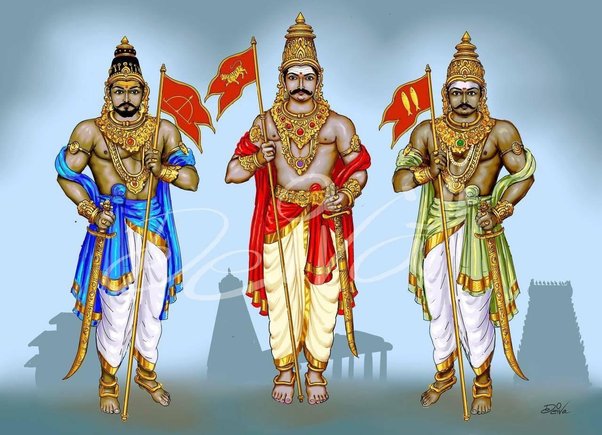
The Southern Dynasties: Cholas, Cheras, and Pandyas


The history of South India is a tapestry of thriving dynasties that left an indelible mark on the subcontinent’s culture, politics, and economy. Among them, the Cholas, Cheras, and Pandyas stand out for their maritime power, monumental temple architecture, and significant contributions to art and literature. These dynasties not only shaped the history of peninsular India but also played a crucial role in connecting the Indian subcontinent to the wider world.


The Cholas: Masters of Maritime Power and Art

1. Rise and Expansion

The Cholas emerged as a powerful dynasty in Tamil Nadu around the 9th century CE, with their influence peaking under rulers like Rajaraja I and Rajendra I.

  • Rajaraja Chola I (985–1014 CE): Expanded the empire into Sri Lanka and parts of the Deccan.
  • Rajendra Chola I (1014–1044 CE): Extended Chola influence to Southeast Asia, including parts of Indonesia and Malaysia.

2. Maritime Prowess

The Cholas were pioneers in maritime trade and naval expeditions:

  • Naval Dominance: Built a formidable navy to control sea routes across the Indian Ocean.
  • Trade Links: Connected with Southeast Asia, China, and the Middle East, fostering a vibrant trade economy.
  • Cultural Exchange: Spread Indian culture, religion, and Tamil script to Southeast Asia.

3. Architectural Brilliance

The Cholas are celebrated for their monumental temple architecture:

  • Brihadeeswara Temple: Built by Rajaraja Chola in Thanjavur, this UNESCO World Heritage site exemplifies Dravidian architecture.
  • Temple Complexes: Featured towering vimanas (temple towers) and intricate sculptures, becoming centers of art and learning.

4. Cultural Contributions

  • Literature: Patronized Tamil literature, including works like the Kamba Ramayanam.
  • Bronze Sculpture: Perfected the art of bronze casting, creating exquisite idols of Nataraja (Lord Shiva).

The Cheras: The Spice Kings of the Western Coast

1. Geographical Advantage

The Cheras ruled over present-day Kerala and parts of Tamil Nadu, leveraging their proximity to the Arabian Sea to dominate the spice trade.

2. Trade and Economy

  • Spice Trade: Controlled the lucrative trade in pepper, cardamom, and other spices, earning the region the title "Land of Spices."
  • International Links: Maintained strong trade relations with the Romans, Greeks, Arabs, and Chinese.

3. Contributions to Culture

  • Literature: Supported early Tamil Sangam literature, including works like the Pathitrupathu.
  • Art and Architecture: Known for their contributions to early Kerala-style temple architecture.

4. Decline and Legacy

The Cheras faced competition from the Cholas and Pandyas but left behind a legacy of trade and cultural exchange that shaped Kerala's identity.


The Pandyas: Keepers of Tamil Culture

1. Ancient Roots

The Pandyas, based in Madurai, were among the earliest Tamil dynasties, with mentions in ancient texts like the Mahabharata and Sangam literature.

2. Trade and Diplomacy

  • Pearl Trade: Known for their pearl fisheries in the Gulf of Mannar.
  • Foreign Relations: Engaged in trade with the Roman Empire, Southeast Asia, and the Middle East.

3. Architectural Contributions

  • Meenakshi Temple: A symbol of Pandya architectural excellence, this temple in Madurai is renowned for its gopurams (towering gateways) and intricate carvings.
  • Rock-Cut Temples: Early examples of South Indian temple architecture.

4. Literature and Arts

  • Sangam Poetry: Supported the creation of Tamil Sangam literature, which remains a cornerstone of Tamil culture.
  • Dance and Music: Promoted classical Tamil music and Bharatanatyam.

Maritime Power: A Common Legacy

The Cholas, Cheras, and Pandyas shared a deep connection with the sea:

  • Maritime Trade: Their dominance of sea routes facilitated economic prosperity and cultural exchanges.
  • Shipbuilding: Advanced shipbuilding techniques enabled them to sustain long-distance trade and military expeditions.
  • Cultural Influence Abroad: Indian cultural elements, from Hinduism to Tamil scripts, spread to Southeast Asia through their maritime activities.

Temple Architecture: A Testament to Devotion and Artistry

South Indian dynasties were at the forefront of temple construction:

  • Chola Temples: Known for their grandeur and intricate sculptures.
  • Pandya Temples: Celebrated for their artistic gopurams and spiritual significance.
  • Cheras' Early Temples: Influenced the evolution of Kerala-style temple architecture, with unique sloping roofs and wooden carvings.

Cultural Contributions of the Southern Dynasties

The Cholas, Cheras, and Pandyas enriched South Indian culture:

  • Language and Literature: Fostered the growth of Tamil as a classical language.
  • Art and Sculpture: Set benchmarks in bronze casting, stone carvings, and mural paintings.
  • Music and Dance: Elevated classical forms like Carnatic music and Bharatanatyam.

Conclusion

The Cholas, Cheras, and Pandyas were more than just dynasties; they were architects of a rich and enduring cultural legacy. Their mastery of maritime trade, unparalleled temple architecture, and contributions to Tamil literature and art continue to inspire awe. By blending local traditions with global influences, these Southern dynasties left an indelible mark on the history of India and the wider world.


Wednesday, October 2, 2024

Buddhism: The journey of a new spiritual awakening

Hello, fellow seekers! Today, we dive into the fascinating world of Buddhism during the Iron Age, a time when this profound philosophy spread its wings far and wide. Born out of the spiritual turbulence and societal changes of the period, Buddhism emerged as a beacon of wisdom and compassion, forever transforming the spiritual landscape of humanity.

Origins of Buddhism:

Buddhism was born in the 6th century BCE, during the Iron Age, in the region of present-day Northern India and Nepal. Siddhartha Gautama, known as the Buddha or "The Enlightened One", renounced his princely life in a quest to understand the nature of suffering and the path to liberation. His teachings, known as the Dhamma, form the foundation of Buddhism.

Four Noble Truths:

Central to Buddhism are the Four Noble Truths, profound insights that the Buddha realized under the Bodhi tree. These truths deal with the reality of suffering, its cause, its cessation, and the path leading to its cessation. The Buddha taught that by understanding and practicing these truths, one can attain Nibbana (Nirvana), the ultimate liberation from the cycle of birth and death.

The Noble Eightfold Path:

The Noble Eightfold Path is the practical guideline to ethical and mental development to free the individual from attachments and delusions, and it finally leads to understanding the truth about all things. It includes the Right View, Right Intention, Right Speech, Right Action, Right Livelihood, Right Effort, Right Mindfulness, and Right Concentration.

Spread of Buddhism:

The Iron Age saw the rapid spread of Buddhism, thanks to the patronage of powerful rulers like Emperor Ashoka of the Mauryan Empire. Ashoka, after a brutal war, was deeply moved by the teachings of Buddha and committed himself to the propagation of Dhamma. He sent missionaries to far-off lands, enabling Buddhism to take root in places like Sri Lanka, Central Asia, and Southeast Asia.

Buddhism and Society:

Buddhism deeply impacted the societies it encountered. It offered an inclusive spiritual path, free from the rigid social hierarchies prevalent in many contemporary societies. This egalitarian approach attracted many followers, leading to the formation of monastic communities or Sanghas that lived by the Vinaya, the monastic code of discipline.

Buddhist Art and Architecture:

The Iron Age witnessed a blossoming of Buddhist art and architecture, with grand stupas and viharas (monastic complexes) being built. The art of this period, often sponsored by royalty, beautifully illustrates the life of Buddha and Jataka tales. These artistic creations not only served as visual aids for conveying Buddhist teachings but also stood as a testament to the aesthetic sensibilities of the time.

Legacy and Influence:

The influence of Buddhism during the Iron Age was profound and far-reaching. It brought about significant changes in the religious, cultural, and social fabric of the regions it reached. The teachings of Buddha, emphasizing compassion, mindfulness, and the pursuit of wisdom, continue to guide millions of people worldwide.

Conclusion:

Buddhism in the Iron Age was not merely a religion but a dynamic spiritual movement that sought to alleviate human suffering through wisdom and compassion. Its timeless teachings continue to resonate with us, providing guidance in our quest for inner peace and understanding. As we journey on, let's carry with us the spirit of the Buddha's teachings, embodying wisdom, compassion, and mindfulness in our lives.

Wednesday, September 25, 2024

The Rajputs: Warriors, Heritage, and Legacy

The Rajputs, a formidable and proud warrior clan, are among the most notable communities in Indian history. Renowned for their valor, honor, and loyalty, the Rajputs played a significant role in shaping medieval India. Their legacy is a rich tapestry of history, culture, and tradition that continues to inspire millions across the world.


The word "Rajput" is derived from the Sanskrit term *Rajputra*, meaning "son of a king." Rajputs are traditionally associated with Rajasthan, though their influence and presence spread across many parts of northern, western, and central India. They are known for their martial prowess, adherence to a code of chivalry, and an undying commitment to honor and duty.


Rajputs are predominantly divided into clans, each tracing its lineage back to ancient rulers. The three major lineages (vanshas) of Rajputs are:


1. Suryavanshi - Descendants of the Sun God, Surya.

2. Chandravanshi - Descendants of the Moon God, Chandra.

3. Agnivanshi - Descendants of the Fire God, Agni.


Each of these lineages boasts of clans that ruled various kingdoms, contributing to the rich diversity of Rajput history.


The Rajput Kingdoms

Throughout history, the Rajputs established several kingdoms and princely states. These kingdoms were often fortified with magnificent palaces, temples, and citadels, many of which still stand today as symbols of Rajput grandeur. Notable among these were:


- Mewar: Perhaps the most famous Rajput kingdom, Mewar is known for legendary figures such as Maharana Pratap and Rana Sanga. The city of Udaipur, with its breathtaking palaces and lakes, is a testament to Mewar’s grandeur.


- Marwar (Jodhpur): The Rathore dynasty ruled this kingdom, with the city of Jodhpur becoming an important cultural and political hub.


- Jaipur: The capital of the Kachwaha Rajputs, Jaipur is renowned for its architectural beauty, including the famous Amber Fort and Hawa Mahal.


- Bundi, Kota, and Bikaner: These were smaller yet significant Rajput states, each contributing unique aspects of culture and heritage.


The Warrior Spirit


One of the defining characteristics of the Rajputs was their warrior ethos. Their history is filled with tales of bravery and sacrifice, often in the face of overwhelming odds. The Rajput code of honor, known as *Rajputana*, emphasized courage, loyalty, and a strong sense of duty. The concept of *Jauhar* is a poignant example of this ethos. When faced with inevitable defeat, Rajput women would perform self-immolation (Jauhar) to protect their honor, while the men would fight to the death in a ritual known as *Saka*. These practices, though tragic, reflect the fierce sense of honor that the Rajputs held dear.


Rajputs were frequently involved in battles with invading forces, particularly the Mughals. While some Rajput rulers, like those of Amber, formed alliances with the Mughals, others, like Maharana Pratap of Mewar, resisted fiercely. The Battle of Haldighati (1576) between Maharana Pratap and the Mughal forces led by Emperor Akbar remains one of the most celebrated events in Rajput history.


 Rajput Art and Architecture


Beyond their military achievements, the Rajputs were also great patrons of art, architecture, and culture. Their forts and palaces, many of which are UNESCO World Heritage Sites, are marvels of design and craftsmanship. These include:

- **Chittorgarh Fort**: The largest fort in India, it symbolizes Rajput pride and has seen numerous sieges throughout history.


- **Mehrangarh Fort**: Overlooking the city of Jodhpur, this imposing structure is a testament to the might of the Rathore Rajputs.


- **City Palace, Udaipur**: A beautiful blend of Mughal and Rajasthani architecture, the City Palace is a magnificent reminder of Mewar's royal heritage.


- **Amer Fort, Jaipur**: A stunning example of Rajput architecture, Amer Fort is known for its grandeur and intricate design.


Rajput miniature paintings, known for their vibrant colors and intricate details, also flourished during the medieval period. The themes often revolved around romantic legends, royal portraits, and religious epics.


 The Rajputs Today


While the era of Rajput kingdoms has long passed, the legacy of the Rajputs continues to be celebrated in modern India. Many Rajputs hold prestigious positions in the military, politics, and business. The community remains deeply rooted in its traditions, with an emphasis on heritage and lineage. The annual *Rajput Sabha*, a gathering of Rajput leaders and families, showcases the ongoing importance of preserving Rajput culture. Additionally, many Rajput families have opened their forts and palaces to tourism, offering a glimpse into their storied past.


The Rajputs are more than just a historical community; they are a symbol of India’s rich and diverse heritage. Their tales of bravery, loyalty, and sacrifice continue to resonate, reminding us of a time when honor was the highest virtue. The Rajputs’ contributions to art, architecture, and culture have left an indelible mark on the fabric of Indian history, ensuring that their legacy will be remembered for generations to come.

Wednesday, September 18, 2024

The Pandyas: A Legacy of Power and Culture in South India


The Pandya dynasty, one of the most ancient and powerful dynasties in South India, has left an indelible mark on the region’s history, culture, and architecture. From their origins in the early centuries of the Common Era to their dominance in Tamil Nadu, the Pandyas were instrumental in shaping the political and cultural landscape of South India. Their influence extended far beyond their time, resonating through the centuries and continuing to be a source of pride for the Tamil people.

The Pandyas were known for their strategic prowess and maritime trade, which significantly influenced their rise to power. Historical references to the Pandyas can be traced back to ancient Tamil literature, as well as to Greek and Roman sources, which mention them as a prominent trading power. The dynasty flourished between the 6th and 14th centuries CE, with their capital at Madurai, a city that became a center of culture and religion. During their reign, the Pandyas were known for their alliances and conflicts with neighboring dynasties, such as the Cholas and the Cheras, leading to a dynamic and often tumultuous political landscape in South India. Their ability to maintain a balance of power with other regional rulers allowed them to thrive for centuries.

One of the most significant contributions of the Pandyas was in the field of architecture. They were patrons of Dravidian architecture, which is characterized by towering temple structures adorned with intricate carvings. The Meenakshi Amman Temple in Madurai, one of the most famous temples in India, stands as a testament to the grandeur of Pandya architecture. With its towering gopurams (gateway towers) and stunning sculptures, the temple remains a pilgrimage site and a symbol of Tamil culture. In addition to their architectural contributions, the Pandyas were great patrons of Tamil literature and arts. The Sangam period, a golden age of Tamil literature, flourished under the patronage of Pandya kings. This period saw the creation of numerous literary masterpieces, including epic poems and religious texts, many of which are still revered today.

Like many great dynasties, the Pandyas eventually faced decline. The invasion of the Delhi Sultanate in the 14th century marked the beginning of the end for the Pandya dynasty. Despite their eventual fall, their legacy continued to influence the region. The Pandyas left behind a cultural and architectural heritage that continues to be celebrated in modern-day Tamil Nadu. Today, the memory of the Pandya dynasty is preserved through the temples they built, the literature they inspired, and the history they shaped. The Pandyas are a reminder of South India’s rich history, a testament to the region’s resilience, and a source of pride for Tamil people around the world.

The Pandya dynasty was more than just a ruling power; it was a cornerstone of South Indian history and culture. Their contributions to architecture, literature, and trade have left a lasting impact that continues to be felt today. Whether through the awe-inspiring temples of Madurai or the ancient texts of the Sangam period, the legacy of the Pandyas remains alive, a testament to the enduring power of history.

Wednesday, September 11, 2024

The Chola Dynasty: Masters of South India and the Seas

The Chola dynasty, one of the longest-ruling and most influential dynasties in Indian history, stands as a testament to the rich cultural, architectural, and political heritage of South India. With a reign that spanned over a thousand years, the Cholas transformed South India into a thriving center of power, culture, and trade. From their innovative governance systems to their magnificent temples and vast naval empire, the legacy of the Chola dynasty continues to resonate across the Indian subcontinent.


 The Rise of the Chola Dynasty

The Cholas trace their origins back to the early centuries of the Common Era, with mentions in ancient Tamil literature, inscriptions, and early texts. However, it was in the medieval period, particularly under the reigns of Rajaraja Chola I (985–1014 CE) and his son Rajendra Chola I (1014–1044 CE), that the dynasty reached the height of its power. Rajaraja Chola I is credited with consolidating Chola's
power and expanding its territories across South India, Sri Lanka, and the Maldives. His son, Rajendra Chola I, extended the empire’s influence by leading naval expeditions that reached Southeast Asia, establishing the Cholas as a formidable maritime power. Under their rule, the Chola Empire not only dominated the land but also controlled the seas, fostering trade links and cultural exchange with regions as far as Indonesia, Thailand, and Cambodia.


 Chola Administration and Governance

One of the hallmarks of the Chola dynasty was their advanced system of governance. The Cholas are known for their efficient administration, which included a highly organized bureaucracy, a well-structured army, and a strong emphasis on local governance. The Chola kings were proponents of decentralized rule, allowing villages and local communities to govern themselves while ensuring loyalty to the central authority. The Chola system of administration is often admired for its innovative approach to land revenue management and its emphasis on irrigation. The Grand Anicut (Kallanai), an ancient dam built across the Kaveri River, is a remarkable example of the Cholas' focus on agricultural prosperity and water management. This engineering marvel, which still functions today, exemplifies the Cholas' emphasis on sustainable development and resource management.


 The Cultural Renaissance Under the Cholas


The Chola period is considered a golden age of Tamil culture, particularly in the realms of art, architecture, and literature. The Cholas were great patrons of Dravidian temple architecture, and their reign saw the construction of some of the most magnificent temples in India.  The Brihadeeswarar Temple in Thanjavur, built by Rajaraja Chola I, is a UNESCO World Heritage site and one of the greatest examples of Chola architecture. Known for its towering vimana (temple tower) and intricate sculptures, the temple is a testament to the grandeur and artistic achievements of the Chola era. The Airavatesvara Temple in Darasuram and the Gangaikonda Cholapuram Temple are other iconic architectural marvels from the Chola period. In addition to temple architecture, the Cholas were patrons of bronze sculpture, particularly the famous Chola bronzes. These exquisite statues of Hindu deities, particularly the depiction of Lord Shiva as Nataraja, the cosmic dancer, are considered masterpieces of Indian art. The Chola bronzes are known for their elegance, grace, and attention to detail, capturing the divine in a form that is both powerful and serene.


The Chola Legacy


The decline of the Chola dynasty began in the 13th century, as internal conflicts and external invasions weakened their hold on power. However, their influence endured far beyond their political decline. The Chola Empire left behind a rich legacy that continues to shape South Indian culture, religion, and art. The temples built by the Cholas remain centers of worship and pilgrimage, drawing devotees and tourists from around the world. The Chola bronzes are cherished in museums and private collections across the globe, representing the height of South Indian artistry. Moreover, the administrative and governance systems developed by the Cholas influenced the political structure of South India for centuries.


The Chola dynasty's reign marked a defining period in South Indian history. Their contributions to art, architecture, and governance have left an indelible mark on India and the world. The Cholas were not only rulers but also visionaries, who understood the importance of culture, religion, and the arts in shaping a civilization. Today, the legacy of the Chola dynasty lives on, a testament to their lasting impact on the Indian subcontinent and beyond.

Wednesday, September 4, 2024

Mooventhers: The Great Kings of Tamil Nadu


The term *Mooventhar* refers to the triumvirate of ancient Tamil kings who ruled over three of the most powerful dynasties in South India: the Cholas, Pandyas, and Cheras. These three dynasties, often called the *Mooventhargal* (meaning "three kings" in Tamil), played a pivotal role in the history of Tamil Nadu and the broader Tamil-speaking world. Their reigns marked the golden age of Tamil culture, literature, and architecture, and their influence extended far beyond their borders.

The Mooventhers were the kings of three prominent Tamil dynasties:

Cholas: Renowned for their dominance over southern India and their extensive overseas empire, particularly during the medieval period. The Cholas were known for their military prowess, administrative innovations, and grand temple architecture, such as the Brihadeeswarar Temple in Thanjavur.

Pandyas: Based in Madurai, the Pandyas were known for their rich contributions to Tamil literature and culture. They were patrons of the famed Sangam era, during which many classical Tamil literary works were produced. The Pandyas were also known for their temple architecture, such as the famous Meenakshi Amman Temple.

Cheras: Rulers of the present-day Kerala region, the Cheras were a maritime power known for their trade with the Roman Empire and their contributions to the early development of Malayalam culture. The Cheras were instrumental in connecting the Tamil world with distant lands through their extensive trade networks.

The Mooventhar Influence on Tamil Culture

The Mooventhers were more than just political rulers; they were patrons of culture, religion, and the arts. Their reigns, especially during the Sangam period (circa 300 BCE to 300 CE), were marked by a flourishing of Tamil literature and poetry. The Sangam literature, a collection of classical Tamil poems, was composed by poets who were often patronized by these kings. These works reflect the social, political, and cultural life of the time and continue to be revered as a foundational element of Tamil heritage. Each of the Mooventhers contributed to the development of Dravidian temple architecture, which remains one of the most visible legacies of their rule. The temples built during their reigns are characterized by intricate sculptures, towering gopurams (gateway towers), and expansive courtyards. These temples not only served as religious centers but also as hubs of economic, social, and political life.

The Political Dynamics of the Mooventhers

The Mooventhers were often in a state of competition and conflict with one another, vying for supremacy over Tamilakam (the ancient Tamil country). Their rivalries led to a dynamic political landscape, where alliances were forged and broken, and wars were fought to establish dominance. Despite these conflicts, there were periods of relative peace and cooperation, particularly when faced with external threats. The Mooventhar period also saw significant trade with foreign powers, particularly the Romans, Greeks, and Chinese. The port cities of the Cheras, Pandyas, and Cholas were bustling centers of commerce, connecting South India to the wider world. This trade brought wealth and prosperity to their kingdoms, further solidifying their power.

 Legacy of the Mooventhers


The Mooventhers’ legacy is still celebrated in Tamil Nadu and Kerala today. Their contributions to Tamil culture, literature, and architecture remain sources of pride for the Tamil people. The temples they built continue to be active centers of worship, drawing millions of devotees each year. Moreover, the Mooventhar period laid the foundation for the Tamil cultural identity that persists to this day. The values of Tamil pride, language, and heritage that are integral to the Tamil community can be traced back to the reigns of the Mooventhers, who fostered a golden age of Tamil civilization.


The Mooventhers were more than just rulers; they were the architects of a civilization that has endured for centuries. Their reigns saw the blossoming of Tamil culture, art, and literature, and their contributions continue to shape the identity of Tamil Nadu and Kerala today. The legacy of the Cholas, Pandyas, and Cheras serves as a reminder of the power and influence of ancient Tamil civilization, a legacy that still resonates in modern South India.

A Story of India’s Partition

 On the night of August 14, 1947, the skies over Delhi were alight with fireworks. People danced in the streets, hugged strangers, and cried...