Wednesday, October 30, 2024

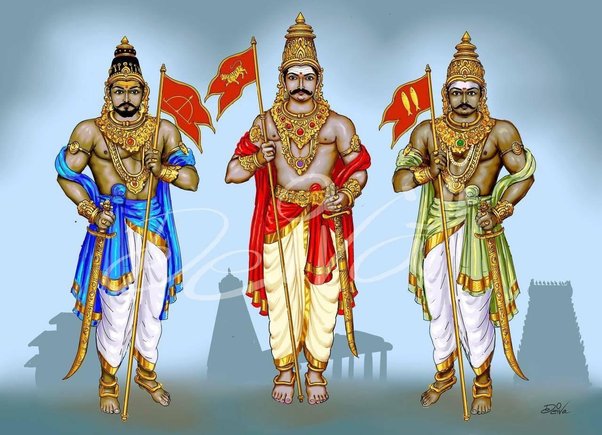
The Southern Dynasties: Cholas, Cheras, and Pandyas


The history of South India is a tapestry of thriving dynasties that left an indelible mark on the subcontinent’s culture, politics, and economy. Among them, the Cholas, Cheras, and Pandyas stand out for their maritime power, monumental temple architecture, and significant contributions to art and literature. These dynasties not only shaped the history of peninsular India but also played a crucial role in connecting the Indian subcontinent to the wider world.


The Cholas: Masters of Maritime Power and Art

1. Rise and Expansion

The Cholas emerged as a powerful dynasty in Tamil Nadu around the 9th century CE, with their influence peaking under rulers like Rajaraja I and Rajendra I.

  • Rajaraja Chola I (985–1014 CE): Expanded the empire into Sri Lanka and parts of the Deccan.
  • Rajendra Chola I (1014–1044 CE): Extended Chola influence to Southeast Asia, including parts of Indonesia and Malaysia.

2. Maritime Prowess

The Cholas were pioneers in maritime trade and naval expeditions:

  • Naval Dominance: Built a formidable navy to control sea routes across the Indian Ocean.
  • Trade Links: Connected with Southeast Asia, China, and the Middle East, fostering a vibrant trade economy.
  • Cultural Exchange: Spread Indian culture, religion, and Tamil script to Southeast Asia.

3. Architectural Brilliance

The Cholas are celebrated for their monumental temple architecture:

  • Brihadeeswara Temple: Built by Rajaraja Chola in Thanjavur, this UNESCO World Heritage site exemplifies Dravidian architecture.
  • Temple Complexes: Featured towering vimanas (temple towers) and intricate sculptures, becoming centers of art and learning.

4. Cultural Contributions

  • Literature: Patronized Tamil literature, including works like the Kamba Ramayanam.
  • Bronze Sculpture: Perfected the art of bronze casting, creating exquisite idols of Nataraja (Lord Shiva).

The Cheras: The Spice Kings of the Western Coast

1. Geographical Advantage

The Cheras ruled over present-day Kerala and parts of Tamil Nadu, leveraging their proximity to the Arabian Sea to dominate the spice trade.

2. Trade and Economy

  • Spice Trade: Controlled the lucrative trade in pepper, cardamom, and other spices, earning the region the title "Land of Spices."
  • International Links: Maintained strong trade relations with the Romans, Greeks, Arabs, and Chinese.

3. Contributions to Culture

  • Literature: Supported early Tamil Sangam literature, including works like the Pathitrupathu.
  • Art and Architecture: Known for their contributions to early Kerala-style temple architecture.

4. Decline and Legacy

The Cheras faced competition from the Cholas and Pandyas but left behind a legacy of trade and cultural exchange that shaped Kerala's identity.


The Pandyas: Keepers of Tamil Culture

1. Ancient Roots

The Pandyas, based in Madurai, were among the earliest Tamil dynasties, with mentions in ancient texts like the Mahabharata and Sangam literature.

2. Trade and Diplomacy

  • Pearl Trade: Known for their pearl fisheries in the Gulf of Mannar.
  • Foreign Relations: Engaged in trade with the Roman Empire, Southeast Asia, and the Middle East.

3. Architectural Contributions

  • Meenakshi Temple: A symbol of Pandya architectural excellence, this temple in Madurai is renowned for its gopurams (towering gateways) and intricate carvings.
  • Rock-Cut Temples: Early examples of South Indian temple architecture.

4. Literature and Arts

  • Sangam Poetry: Supported the creation of Tamil Sangam literature, which remains a cornerstone of Tamil culture.
  • Dance and Music: Promoted classical Tamil music and Bharatanatyam.

Maritime Power: A Common Legacy

The Cholas, Cheras, and Pandyas shared a deep connection with the sea:

  • Maritime Trade: Their dominance of sea routes facilitated economic prosperity and cultural exchanges.
  • Shipbuilding: Advanced shipbuilding techniques enabled them to sustain long-distance trade and military expeditions.
  • Cultural Influence Abroad: Indian cultural elements, from Hinduism to Tamil scripts, spread to Southeast Asia through their maritime activities.

Temple Architecture: A Testament to Devotion and Artistry

South Indian dynasties were at the forefront of temple construction:

  • Chola Temples: Known for their grandeur and intricate sculptures.
  • Pandya Temples: Celebrated for their artistic gopurams and spiritual significance.
  • Cheras' Early Temples: Influenced the evolution of Kerala-style temple architecture, with unique sloping roofs and wooden carvings.

Cultural Contributions of the Southern Dynasties

The Cholas, Cheras, and Pandyas enriched South Indian culture:

  • Language and Literature: Fostered the growth of Tamil as a classical language.
  • Art and Sculpture: Set benchmarks in bronze casting, stone carvings, and mural paintings.
  • Music and Dance: Elevated classical forms like Carnatic music and Bharatanatyam.

Conclusion

The Cholas, Cheras, and Pandyas were more than just dynasties; they were architects of a rich and enduring cultural legacy. Their mastery of maritime trade, unparalleled temple architecture, and contributions to Tamil literature and art continue to inspire awe. By blending local traditions with global influences, these Southern dynasties left an indelible mark on the history of India and the wider world.


Wednesday, October 23, 2024

The Rajput Kingdoms: Valor and Resistance


The Rajput kingdoms of medieval India embody a fascinating saga of valor, chivalry, and resilience. These warrior clans, hailing predominantly from present-day Rajasthan, Gujarat, and parts of northern and central India, rose to prominence between the 6th and 12th centuries CE. Their ethos of honor and self-sacrifice, coupled with their indomitable resistance to foreign invasions, left a lasting imprint on Indian history and culture.


The Rise of the Rajputs

The origins of the Rajputs are a subject of both historical research and mythology. The word Rajput, derived from the Sanskrit Rajaputra (son of a king), signifies their royal lineage.

  • Genealogical Traditions: Rajputs trace their lineage to ancient Kshatriyas, often invoking divine ancestry from the Sun (Suryavanshi), Moon (Chandravanshi), or Fire (Agnivanshi).
  • Emergence as Rulers: By the 6th century CE, Rajput clans like the Chauhans, Sisodias, Rathores, and Paramaras established powerful kingdoms, building fortresses and cities that became centers of power.

Key Rajput Kingdoms and Clans

  1. The Sisodia Dynasty of Mewar

    • Maharana Pratap: A symbol of Rajput resistance, he defied Akbar’s Mughal Empire and famously fought in the Battle of Haldighati (1576). His guerrilla tactics and fortifications at Chittorgarh are legendary.
    • Chittorgarh Fort: Known for its sieges and acts of jauhar (mass self-immolation) by Rajput women to preserve their honor.
  2. The Rathores of Marwar

    • Rulers of Jodhpur, the Rathores maintained a balance between resistance and alliances with the Mughals, exemplifying political pragmatism.
    • Mehrangarh Fort: A massive citadel that reflects their architectural grandeur.
  3. The Chauhans of Ajmer and Delhi

    • Prithviraj Chauhan: Known for his bravery and the battles against Muhammad Ghori, particularly the First and Second Battles of Tarain. Despite his eventual defeat, he remains a celebrated figure in folklore.
  4. The Paramaras of Malwa

    • Patrons of art and architecture, they ruled from Dhar and Mandu, leaving behind masterpieces like the Bhojeshwar Temple.
  5. The Chandels of Bundelkhand

    • Famous for the Khajuraho temples, they combined artistic innovation with military prowess, often resisting the invasions of the Delhi Sultanate.

The Warrior Ethos of the Rajputs

Central to Rajput identity was their code of honor, which shaped their way of life and warfare:

  • Chivalry and Honor: Rajputs adhered to a martial code that emphasized courage in battle, loyalty to their clan, and respect for their enemies.
  • Sacrifices in Warfare: Rajput warriors often chose death over surrender. The tradition of saka (heroic last stand) and jauhar became hallmarks of their resistance.
  • Rituals and Symbols: The Rajputs celebrated martial glory through festivals, songs, and architecture that glorified their achievements.

Conflicts with Invading Forces

  1. Arab Invasions

    • Rajput clans played a crucial role in repelling early Arab invasions, particularly the campaigns of Muhammad bin Qasim in the 8th century.
  2. The Delhi Sultanate

    • The Rajputs resisted the Turkish and Afghan rulers of the Delhi Sultanate, engaging in prolonged conflicts. Battles for control over forts like Ranthambore and Chittorgarh were frequent.
  3. The Mughals

    • While some Rajputs, like the Sisodias of Mewar, resisted Mughal domination, others, like the Kachwahas of Amer, allied with the empire, achieving high ranks in the Mughal court.
  4. Maratha and British Conflicts

    • In later centuries, the Rajputs faced the rise of the Marathas and, eventually, the British East India Company. Though their power waned, their legacy endured.

Cultural Legacy of the Rajputs

The Rajputs were not just warriors but also great patrons of art, architecture, and literature.

  • Forts and Palaces: Their grand structures, including Amer Fort, Mehrangarh, and Udaipur’s City Palace, are architectural marvels.
  • Art and Literature: Rajput courts supported poets, musicians, and painters, leading to the flourishing of regional styles like Rajput miniature painting.
  • Cultural Festivities: Festivals like Gangaur and Teej reflect Rajput traditions, blending martial and cultural themes.

Rajput Women: Symbols of Strength and Sacrifice

Rajput women played a significant role in preserving their clan's honor:

  • Rani Padmini: Her jauhar during the siege of Chittorgarh by Alauddin Khalji became a symbol of Rajput valor and sacrifice.
  • Warrior Queens: Figures like Rani Durgavati of Gondwana led armies and showcased exceptional leadership.

The Decline and Legacy of the Rajputs

The power of the Rajput kingdoms began to wane with the rise of centralized empires like the Mughals and the British. Despite their decline as political entities, their cultural and historical legacy remains strong.

  • Influence on Modern India: The Rajputs’ emphasis on valor and resistance continues to inspire Indian military traditions.
  • Tourism and Heritage: Rajasthan, the heartland of the Rajputs, attracts millions of visitors annually to its forts, palaces, and festivals.

Conclusion

The Rajput kingdoms are a testament to a bygone era where honor and valor shaped the course of history. Their fierce resistance against invaders and their cultural contributions have left an indelible mark on India's identity. Even in their decline, the Rajputs ensured their stories would echo through time, immortalized in the songs, monuments, and tales that celebrate their unmatched spirit.


Wednesday, October 16, 2024

The Mughal Empire: From Babur to Aurangzeb


The Mughal Empire (1526–1857) stands as one of the most illustrious chapters in Indian history. It was a period marked by monumental architecture, administrative innovation, and a rich cultural amalgamation. Spanning from Babur's establishment of the empire to Aurangzeb's reign, this era witnessed the zenith of imperial power, as well as the seeds of its decline.


Babur: The Founder of the Mughal Empire (1526–1530)

Babur, a descendant of Timur and Genghis Khan, established the Mughal Empire after his victory at the First Battle of Panipat (1526) against Ibrahim Lodi.

  • Military Genius: Babur introduced advanced artillery and modern warfare tactics, such as field fortifications.
  • Cultural Legacy: Babur’s Baburnama, his autobiography, provides a vivid account of his life and the socio-political landscape of the time.

Humayun: Struggles and Revival (1530–1556)

Humayun, Babur’s son, faced challenges from Afghan ruler Sher Shah Suri, leading to a temporary loss of the throne.

  • Exile and Return: Humayun spent 15 years in exile before reclaiming the empire with Persian support.
  • Sher Shah’s Legacy: During his reign, Sher Shah implemented administrative reforms, including the introduction of the Rupiya and construction of the Grand Trunk Road, which Humayun later adopted.

Akbar: The Great Consolidator (1556–1605)

Akbar, Humayun’s son, was a visionary leader who transformed the Mughal Empire into a powerful and stable polity.

  • Military Expansion: Akbar extended the empire to cover most of northern and central India, including Gujarat, Bengal, and Rajasthan.
  • Administrative Reforms:
    • Mansabdari System: A centralized ranking and revenue collection system.
    • Religious Policies: Advocated for religious tolerance and abolished the jizya tax on non-Muslims. He even initiated the Din-i-Ilahi, a syncretic faith.
  • Cultural Patronage: Akbar fostered Indo-Persian art, literature, and architecture, as seen in Fatehpur Sikri and Akbarnama.

Jahangir: The Patron of Arts (1605–1627)

Jahangir, Akbar's son, is remembered for his love of art and nature.

  • Golden Age of Mughal Painting: Development of intricate miniature paintings.
  • Foreign Relations: Established trade relations with the British East India Company.
  • The Nur Jahan Influence: His wife, Nur Jahan, played a significant role in court politics and administration.

Shah Jahan: The Architect King (1628–1658)

Shah Jahan’s reign marked the height of Mughal opulence and architectural achievement.

  • Monumental Architecture:
    • The Taj Mahal, a symbol of eternal love.
    • The Red Fort and Jama Masjid in Delhi.
  • Economic Prosperity: India’s wealth attracted traders from across the world.
  • Decline Begins: Extravagant spending and military campaigns, like the Deccan wars, strained the empire’s finances.

Aurangzeb: The Zealous Expansionist (1658–1707)

Aurangzeb, Shah Jahan's son, was a controversial figure whose policies shaped the empire's future.

  • Military Conquests: Expanded the empire to its greatest territorial extent, including the Deccan.
  • Religious Orthodoxy:
    • Reimposed the jizya tax.
    • Banned practices like music and dance at court, alienating sections of society.
  • Rebellions and Strain: His strict policies led to revolts by the Sikhs, Marathas (under Shivaji), and Rajputs, weakening the empire.

The Zenith and Decline

Zenith

Under Akbar, Jahangir, and Shah Jahan, the Mughal Empire reached the peak of its power:

  • Controlled nearly all of the Indian subcontinent.
  • Fostered cultural and artistic advancements that blended Persian, Indian, and Central Asian traditions.
  • Established a robust economy driven by agriculture, trade, and crafts.

Decline

Aurangzeb’s death marked the beginning of the empire’s fragmentation:

  • Succession Struggles: Power struggles weakened the central authority.
  • Regional Revolts: The rise of independent kingdoms like the Marathas and Sikhs.
  • European Encroachment: The British East India Company capitalized on the weakening empire, culminating in its eventual dissolution in 1857.

Legacy of the Mughal Empire

The Mughal Empire profoundly influenced India’s culture and history:

  • Architecture: Magnificent structures like the Taj Mahal and Humayun’s Tomb.
  • Language and Cuisine: The development of Urdu and Mughlai cuisine.
  • Administrative Systems: Many policies, like the revenue system, influenced later rulers, including the British.

Conclusion

From Babur’s conquests to Aurangzeb’s overextension, the Mughal Empire was a transformative force in Indian history. It reshaped the subcontinent’s cultural, political, and economic landscape, leaving a legacy that continues to captivate historians and enthusiasts alike.


Wednesday, October 9, 2024

The Delhi Sultanate: A Gateway to Medieval India


The Delhi Sultanate (1206–1526 CE) stands as a defining chapter in Indian history, marking the establishment of Muslim rule in the Indian subcontinent. Spanning over three centuries, this period witnessed the rise and fall of five dynasties that left a lasting impact on India's culture, architecture, administration, and society.


The Five Dynasties of the Delhi Sultanate

1. The Mamluk Dynasty (1206–1290)

The Mamluks, also known as the Slave Dynasty, were the first rulers of the Delhi Sultanate. Founded by Qutb al-Din Aibak, a former slave of Muhammad Ghori, this dynasty established a strong administrative framework.

  • Qutb al-Din Aibak: Known for commissioning the Qutub Minar, a marvel of Indo-Islamic architecture.
  • Iltutmish (1211–1236): Consolidated the Sultanate and introduced the iqta system for efficient land revenue administration.
  • Razia Sultana (1236–1240): The only woman ruler of the Sultanate, she broke gender norms but faced resistance from the nobility.

2. The Khalji Dynasty (1290–1320)

The Khaljis were known for their military conquests and economic reforms.

  • Jalal-ud-din Khalji: Established the dynasty with a focus on administration and governance.
  • Alauddin Khalji (1296–1316): Expanded the Sultanate through campaigns in South India and introduced market control policies to regulate prices. His military commander, Malik Kafur, led successful expeditions to the Deccan.

3. The Tughlaq Dynasty (1320–1414)

The Tughlaqs are remembered for their ambitious, though often flawed, administrative experiments.

  • Ghiyasuddin Tughlaq: Founded the dynasty and laid the foundation for its administration.
  • Muhammad bin Tughlaq (1325–1351): Known for his eccentric policies, including the relocation of the capital from Delhi to Daulatabad and the introduction of token currency, which caused economic turmoil.
  • Firoz Shah Tughlaq (1351–1388): Focused on public welfare, building canals, hospitals, and educational institutions.

4. The Sayyid Dynasty (1414–1451)

The Sayyids ruled a fragmented Sultanate, struggling to maintain control amid internal dissent and external threats.

  • Khizr Khan: Established the dynasty with support from Timur's invasion but lacked the resources to expand the empire.

5. The Lodi Dynasty (1451–1526)

The Lodis were the last dynasty of the Delhi Sultanate, known for attempts at consolidating power.

  • Sikandar Lodi: A capable administrator who shifted the capital to Agra, laying the groundwork for the city's prominence.
  • Ibrahim Lodi: His defeat at the First Battle of Panipat in 1526 marked the end of the Delhi Sultanate and the rise of the Mughal Empire.

Key Contributions of the Delhi Sultanate

1. Administrative Innovations

  • Introduction of the iqta system: Revenue assignments to nobles in return for military service.
  • Establishment of a centralized bureaucracy.

2. Cultural Synthesis

  • The Sultanate facilitated the blending of Persian, Central Asian, and Indian cultures, evident in architecture, art, and cuisine.
  • Development of Indo-Islamic architecture, as seen in the Qutub Minar, Alai Darwaza, and Tughlaqabad Fort.

3. Societal Impact

  • Growth of cities like Delhi as cultural and economic hubs.
  • Introduction of new crops and irrigation techniques, enhancing agriculture.
  • Promotion of Persian as the court language, influencing the development of Urdu.

4. Military Innovations

  • Introduction of the use of horses and cavalry in warfare.
  • Construction of fortified cities and strategic outposts.

Challenges and Decline

The Delhi Sultanate faced several challenges that led to its decline:

  • Frequent invasions by Mongols, which drained resources.
  • Internal rebellions and the inability to maintain control over distant provinces.
  • Fragmentation of the empire, culminating in the decisive defeat by Babur at Panipat.

Legacy of the Delhi Sultanate

The Delhi Sultanate laid the foundation for the subsequent Mughal Empire and the cultural amalgamation that defines much of India’s identity today. It introduced new administrative practices, enriched Indian architecture, and fostered a syncretic culture that blended the best of different traditions.


The Delhi Sultanate remains a testament to the resilience and adaptability of Indian society. Its legacy, carved in stone and echoed in history, continues to intrigue historians and enthusiasts alike.


Wednesday, October 2, 2024

Buddhism: The journey of a new spiritual awakening

Hello, fellow seekers! Today, we dive into the fascinating world of Buddhism during the Iron Age, a time when this profound philosophy spread its wings far and wide. Born out of the spiritual turbulence and societal changes of the period, Buddhism emerged as a beacon of wisdom and compassion, forever transforming the spiritual landscape of humanity.

Origins of Buddhism:

Buddhism was born in the 6th century BCE, during the Iron Age, in the region of present-day Northern India and Nepal. Siddhartha Gautama, known as the Buddha or "The Enlightened One", renounced his princely life in a quest to understand the nature of suffering and the path to liberation. His teachings, known as the Dhamma, form the foundation of Buddhism.

Four Noble Truths:

Central to Buddhism are the Four Noble Truths, profound insights that the Buddha realized under the Bodhi tree. These truths deal with the reality of suffering, its cause, its cessation, and the path leading to its cessation. The Buddha taught that by understanding and practicing these truths, one can attain Nibbana (Nirvana), the ultimate liberation from the cycle of birth and death.

The Noble Eightfold Path:

The Noble Eightfold Path is the practical guideline to ethical and mental development to free the individual from attachments and delusions, and it finally leads to understanding the truth about all things. It includes the Right View, Right Intention, Right Speech, Right Action, Right Livelihood, Right Effort, Right Mindfulness, and Right Concentration.

Spread of Buddhism:

The Iron Age saw the rapid spread of Buddhism, thanks to the patronage of powerful rulers like Emperor Ashoka of the Mauryan Empire. Ashoka, after a brutal war, was deeply moved by the teachings of Buddha and committed himself to the propagation of Dhamma. He sent missionaries to far-off lands, enabling Buddhism to take root in places like Sri Lanka, Central Asia, and Southeast Asia.

Buddhism and Society:

Buddhism deeply impacted the societies it encountered. It offered an inclusive spiritual path, free from the rigid social hierarchies prevalent in many contemporary societies. This egalitarian approach attracted many followers, leading to the formation of monastic communities or Sanghas that lived by the Vinaya, the monastic code of discipline.

Buddhist Art and Architecture:

The Iron Age witnessed a blossoming of Buddhist art and architecture, with grand stupas and viharas (monastic complexes) being built. The art of this period, often sponsored by royalty, beautifully illustrates the life of Buddha and Jataka tales. These artistic creations not only served as visual aids for conveying Buddhist teachings but also stood as a testament to the aesthetic sensibilities of the time.

Legacy and Influence:

The influence of Buddhism during the Iron Age was profound and far-reaching. It brought about significant changes in the religious, cultural, and social fabric of the regions it reached. The teachings of Buddha, emphasizing compassion, mindfulness, and the pursuit of wisdom, continue to guide millions of people worldwide.

Conclusion:

Buddhism in the Iron Age was not merely a religion but a dynamic spiritual movement that sought to alleviate human suffering through wisdom and compassion. Its timeless teachings continue to resonate with us, providing guidance in our quest for inner peace and understanding. As we journey on, let's carry with us the spirit of the Buddha's teachings, embodying wisdom, compassion, and mindfulness in our lives.

Wednesday, September 25, 2024

The Rajputs: Warriors, Heritage, and Legacy

The Rajputs, a formidable and proud warrior clan, are among the most notable communities in Indian history. Renowned for their valor, honor, and loyalty, the Rajputs played a significant role in shaping medieval India. Their legacy is a rich tapestry of history, culture, and tradition that continues to inspire millions across the world.


The word "Rajput" is derived from the Sanskrit term *Rajputra*, meaning "son of a king." Rajputs are traditionally associated with Rajasthan, though their influence and presence spread across many parts of northern, western, and central India. They are known for their martial prowess, adherence to a code of chivalry, and an undying commitment to honor and duty.


Rajputs are predominantly divided into clans, each tracing its lineage back to ancient rulers. The three major lineages (vanshas) of Rajputs are:


1. Suryavanshi - Descendants of the Sun God, Surya.

2. Chandravanshi - Descendants of the Moon God, Chandra.

3. Agnivanshi - Descendants of the Fire God, Agni.


Each of these lineages boasts of clans that ruled various kingdoms, contributing to the rich diversity of Rajput history.


The Rajput Kingdoms

Throughout history, the Rajputs established several kingdoms and princely states. These kingdoms were often fortified with magnificent palaces, temples, and citadels, many of which still stand today as symbols of Rajput grandeur. Notable among these were:


- Mewar: Perhaps the most famous Rajput kingdom, Mewar is known for legendary figures such as Maharana Pratap and Rana Sanga. The city of Udaipur, with its breathtaking palaces and lakes, is a testament to Mewar’s grandeur.


- Marwar (Jodhpur): The Rathore dynasty ruled this kingdom, with the city of Jodhpur becoming an important cultural and political hub.


- Jaipur: The capital of the Kachwaha Rajputs, Jaipur is renowned for its architectural beauty, including the famous Amber Fort and Hawa Mahal.


- Bundi, Kota, and Bikaner: These were smaller yet significant Rajput states, each contributing unique aspects of culture and heritage.


The Warrior Spirit


One of the defining characteristics of the Rajputs was their warrior ethos. Their history is filled with tales of bravery and sacrifice, often in the face of overwhelming odds. The Rajput code of honor, known as *Rajputana*, emphasized courage, loyalty, and a strong sense of duty. The concept of *Jauhar* is a poignant example of this ethos. When faced with inevitable defeat, Rajput women would perform self-immolation (Jauhar) to protect their honor, while the men would fight to the death in a ritual known as *Saka*. These practices, though tragic, reflect the fierce sense of honor that the Rajputs held dear.


Rajputs were frequently involved in battles with invading forces, particularly the Mughals. While some Rajput rulers, like those of Amber, formed alliances with the Mughals, others, like Maharana Pratap of Mewar, resisted fiercely. The Battle of Haldighati (1576) between Maharana Pratap and the Mughal forces led by Emperor Akbar remains one of the most celebrated events in Rajput history.


 Rajput Art and Architecture


Beyond their military achievements, the Rajputs were also great patrons of art, architecture, and culture. Their forts and palaces, many of which are UNESCO World Heritage Sites, are marvels of design and craftsmanship. These include:

- **Chittorgarh Fort**: The largest fort in India, it symbolizes Rajput pride and has seen numerous sieges throughout history.


- **Mehrangarh Fort**: Overlooking the city of Jodhpur, this imposing structure is a testament to the might of the Rathore Rajputs.


- **City Palace, Udaipur**: A beautiful blend of Mughal and Rajasthani architecture, the City Palace is a magnificent reminder of Mewar's royal heritage.


- **Amer Fort, Jaipur**: A stunning example of Rajput architecture, Amer Fort is known for its grandeur and intricate design.


Rajput miniature paintings, known for their vibrant colors and intricate details, also flourished during the medieval period. The themes often revolved around romantic legends, royal portraits, and religious epics.


 The Rajputs Today


While the era of Rajput kingdoms has long passed, the legacy of the Rajputs continues to be celebrated in modern India. Many Rajputs hold prestigious positions in the military, politics, and business. The community remains deeply rooted in its traditions, with an emphasis on heritage and lineage. The annual *Rajput Sabha*, a gathering of Rajput leaders and families, showcases the ongoing importance of preserving Rajput culture. Additionally, many Rajput families have opened their forts and palaces to tourism, offering a glimpse into their storied past.


The Rajputs are more than just a historical community; they are a symbol of India’s rich and diverse heritage. Their tales of bravery, loyalty, and sacrifice continue to resonate, reminding us of a time when honor was the highest virtue. The Rajputs’ contributions to art, architecture, and culture have left an indelible mark on the fabric of Indian history, ensuring that their legacy will be remembered for generations to come.

Wednesday, September 18, 2024

The Pandyas: A Legacy of Power and Culture in South India


The Pandya dynasty, one of the most ancient and powerful dynasties in South India, has left an indelible mark on the region’s history, culture, and architecture. From their origins in the early centuries of the Common Era to their dominance in Tamil Nadu, the Pandyas were instrumental in shaping the political and cultural landscape of South India. Their influence extended far beyond their time, resonating through the centuries and continuing to be a source of pride for the Tamil people.

The Pandyas were known for their strategic prowess and maritime trade, which significantly influenced their rise to power. Historical references to the Pandyas can be traced back to ancient Tamil literature, as well as to Greek and Roman sources, which mention them as a prominent trading power. The dynasty flourished between the 6th and 14th centuries CE, with their capital at Madurai, a city that became a center of culture and religion. During their reign, the Pandyas were known for their alliances and conflicts with neighboring dynasties, such as the Cholas and the Cheras, leading to a dynamic and often tumultuous political landscape in South India. Their ability to maintain a balance of power with other regional rulers allowed them to thrive for centuries.

One of the most significant contributions of the Pandyas was in the field of architecture. They were patrons of Dravidian architecture, which is characterized by towering temple structures adorned with intricate carvings. The Meenakshi Amman Temple in Madurai, one of the most famous temples in India, stands as a testament to the grandeur of Pandya architecture. With its towering gopurams (gateway towers) and stunning sculptures, the temple remains a pilgrimage site and a symbol of Tamil culture. In addition to their architectural contributions, the Pandyas were great patrons of Tamil literature and arts. The Sangam period, a golden age of Tamil literature, flourished under the patronage of Pandya kings. This period saw the creation of numerous literary masterpieces, including epic poems and religious texts, many of which are still revered today.

Like many great dynasties, the Pandyas eventually faced decline. The invasion of the Delhi Sultanate in the 14th century marked the beginning of the end for the Pandya dynasty. Despite their eventual fall, their legacy continued to influence the region. The Pandyas left behind a cultural and architectural heritage that continues to be celebrated in modern-day Tamil Nadu. Today, the memory of the Pandya dynasty is preserved through the temples they built, the literature they inspired, and the history they shaped. The Pandyas are a reminder of South India’s rich history, a testament to the region’s resilience, and a source of pride for Tamil people around the world.

The Pandya dynasty was more than just a ruling power; it was a cornerstone of South Indian history and culture. Their contributions to architecture, literature, and trade have left a lasting impact that continues to be felt today. Whether through the awe-inspiring temples of Madurai or the ancient texts of the Sangam period, the legacy of the Pandyas remains alive, a testament to the enduring power of history.

Wednesday, September 11, 2024

The Chola Dynasty: Masters of South India and the Seas

The Chola dynasty, one of the longest-ruling and most influential dynasties in Indian history, stands as a testament to the rich cultural, architectural, and political heritage of South India. With a reign that spanned over a thousand years, the Cholas transformed South India into a thriving center of power, culture, and trade. From their innovative governance systems to their magnificent temples and vast naval empire, the legacy of the Chola dynasty continues to resonate across the Indian subcontinent.


 The Rise of the Chola Dynasty

The Cholas trace their origins back to the early centuries of the Common Era, with mentions in ancient Tamil literature, inscriptions, and early texts. However, it was in the medieval period, particularly under the reigns of Rajaraja Chola I (985–1014 CE) and his son Rajendra Chola I (1014–1044 CE), that the dynasty reached the height of its power. Rajaraja Chola I is credited with consolidating Chola's
power and expanding its territories across South India, Sri Lanka, and the Maldives. His son, Rajendra Chola I, extended the empire’s influence by leading naval expeditions that reached Southeast Asia, establishing the Cholas as a formidable maritime power. Under their rule, the Chola Empire not only dominated the land but also controlled the seas, fostering trade links and cultural exchange with regions as far as Indonesia, Thailand, and Cambodia.


 Chola Administration and Governance

One of the hallmarks of the Chola dynasty was their advanced system of governance. The Cholas are known for their efficient administration, which included a highly organized bureaucracy, a well-structured army, and a strong emphasis on local governance. The Chola kings were proponents of decentralized rule, allowing villages and local communities to govern themselves while ensuring loyalty to the central authority. The Chola system of administration is often admired for its innovative approach to land revenue management and its emphasis on irrigation. The Grand Anicut (Kallanai), an ancient dam built across the Kaveri River, is a remarkable example of the Cholas' focus on agricultural prosperity and water management. This engineering marvel, which still functions today, exemplifies the Cholas' emphasis on sustainable development and resource management.


 The Cultural Renaissance Under the Cholas


The Chola period is considered a golden age of Tamil culture, particularly in the realms of art, architecture, and literature. The Cholas were great patrons of Dravidian temple architecture, and their reign saw the construction of some of the most magnificent temples in India.  The Brihadeeswarar Temple in Thanjavur, built by Rajaraja Chola I, is a UNESCO World Heritage site and one of the greatest examples of Chola architecture. Known for its towering vimana (temple tower) and intricate sculptures, the temple is a testament to the grandeur and artistic achievements of the Chola era. The Airavatesvara Temple in Darasuram and the Gangaikonda Cholapuram Temple are other iconic architectural marvels from the Chola period. In addition to temple architecture, the Cholas were patrons of bronze sculpture, particularly the famous Chola bronzes. These exquisite statues of Hindu deities, particularly the depiction of Lord Shiva as Nataraja, the cosmic dancer, are considered masterpieces of Indian art. The Chola bronzes are known for their elegance, grace, and attention to detail, capturing the divine in a form that is both powerful and serene.


The Chola Legacy


The decline of the Chola dynasty began in the 13th century, as internal conflicts and external invasions weakened their hold on power. However, their influence endured far beyond their political decline. The Chola Empire left behind a rich legacy that continues to shape South Indian culture, religion, and art. The temples built by the Cholas remain centers of worship and pilgrimage, drawing devotees and tourists from around the world. The Chola bronzes are cherished in museums and private collections across the globe, representing the height of South Indian artistry. Moreover, the administrative and governance systems developed by the Cholas influenced the political structure of South India for centuries.


The Chola dynasty's reign marked a defining period in South Indian history. Their contributions to art, architecture, and governance have left an indelible mark on India and the world. The Cholas were not only rulers but also visionaries, who understood the importance of culture, religion, and the arts in shaping a civilization. Today, the legacy of the Chola dynasty lives on, a testament to their lasting impact on the Indian subcontinent and beyond.

Wednesday, September 4, 2024

Mooventhers: The Great Kings of Tamil Nadu


The term *Mooventhar* refers to the triumvirate of ancient Tamil kings who ruled over three of the most powerful dynasties in South India: the Cholas, Pandyas, and Cheras. These three dynasties, often called the *Mooventhargal* (meaning "three kings" in Tamil), played a pivotal role in the history of Tamil Nadu and the broader Tamil-speaking world. Their reigns marked the golden age of Tamil culture, literature, and architecture, and their influence extended far beyond their borders.

The Mooventhers were the kings of three prominent Tamil dynasties:

Cholas: Renowned for their dominance over southern India and their extensive overseas empire, particularly during the medieval period. The Cholas were known for their military prowess, administrative innovations, and grand temple architecture, such as the Brihadeeswarar Temple in Thanjavur.

Pandyas: Based in Madurai, the Pandyas were known for their rich contributions to Tamil literature and culture. They were patrons of the famed Sangam era, during which many classical Tamil literary works were produced. The Pandyas were also known for their temple architecture, such as the famous Meenakshi Amman Temple.

Cheras: Rulers of the present-day Kerala region, the Cheras were a maritime power known for their trade with the Roman Empire and their contributions to the early development of Malayalam culture. The Cheras were instrumental in connecting the Tamil world with distant lands through their extensive trade networks.

The Mooventhar Influence on Tamil Culture

The Mooventhers were more than just political rulers; they were patrons of culture, religion, and the arts. Their reigns, especially during the Sangam period (circa 300 BCE to 300 CE), were marked by a flourishing of Tamil literature and poetry. The Sangam literature, a collection of classical Tamil poems, was composed by poets who were often patronized by these kings. These works reflect the social, political, and cultural life of the time and continue to be revered as a foundational element of Tamil heritage. Each of the Mooventhers contributed to the development of Dravidian temple architecture, which remains one of the most visible legacies of their rule. The temples built during their reigns are characterized by intricate sculptures, towering gopurams (gateway towers), and expansive courtyards. These temples not only served as religious centers but also as hubs of economic, social, and political life.

The Political Dynamics of the Mooventhers

The Mooventhers were often in a state of competition and conflict with one another, vying for supremacy over Tamilakam (the ancient Tamil country). Their rivalries led to a dynamic political landscape, where alliances were forged and broken, and wars were fought to establish dominance. Despite these conflicts, there were periods of relative peace and cooperation, particularly when faced with external threats. The Mooventhar period also saw significant trade with foreign powers, particularly the Romans, Greeks, and Chinese. The port cities of the Cheras, Pandyas, and Cholas were bustling centers of commerce, connecting South India to the wider world. This trade brought wealth and prosperity to their kingdoms, further solidifying their power.

 Legacy of the Mooventhers


The Mooventhers’ legacy is still celebrated in Tamil Nadu and Kerala today. Their contributions to Tamil culture, literature, and architecture remain sources of pride for the Tamil people. The temples they built continue to be active centers of worship, drawing millions of devotees each year. Moreover, the Mooventhar period laid the foundation for the Tamil cultural identity that persists to this day. The values of Tamil pride, language, and heritage that are integral to the Tamil community can be traced back to the reigns of the Mooventhers, who fostered a golden age of Tamil civilization.


The Mooventhers were more than just rulers; they were the architects of a civilization that has endured for centuries. Their reigns saw the blossoming of Tamil culture, art, and literature, and their contributions continue to shape the identity of Tamil Nadu and Kerala today. The legacy of the Cholas, Pandyas, and Cheras serves as a reminder of the power and influence of ancient Tamil civilization, a legacy that still resonates in modern South India.

Wednesday, August 28, 2024

The Kushan Empire: Bridging East and West in Ancient Asia

The Kushan Empire, a powerful and influential realm that thrived from the 1st to the 3rd century CE, played a crucial role in shaping the cultural and economic landscape of Central and South Asia. This empire, which at its height extended from the Aral Sea through much of present-day India, Pakistan, and Afghanistan, served as a vital link between the civilizations of the East and West. In this blog post, we will explore the origins of the Kushan Empire, its significant contributions, and its lasting impact on history.


Origins and Rise to Power

The Kushan Empire traces its roots to the nomadic Yuezhi tribes from the steppes of Central Asia. Driven westward by the Xiongnu, the Yuezhi migrated to Bactria (modern-day northern Afghanistan and Uzbekistan) in the 2nd century BCE. Over time, they coalesced into a formidable force under the leadership of the Kushan clan. The first major ruler of the unified Kushan Empire was Kujula Kadphises, who consolidated control over the region in the early 1st century CE. Under Kujula's successors, particularly Vima Kadphises and Kanishka the Great, the Kushan Empire expanded dramatically. Kanishka, who ruled from around 127 to 150 CE, is particularly renowned for his military conquests, administrative reforms, and patronage of Buddhism.


Cultural and Economic Flourishing

The Kushan Empire was a melting pot of cultures, religions, and traditions, owing to its strategic location along the Silk Road. This trade route facilitated the exchange of goods, ideas, and cultural practices between the East and West, making the Kushan Empire a crucial player in ancient globalization.

1. Art and Architecture: The Kushans are credited with significant contributions to art and architecture, particularly the Gandhara and Mathura schools of art. Gandhara art, influenced by Greek, Roman, Persian, and Indian styles, is renowned for its realistic and detailed sculptures of Buddhist deities. Mathura art, on the other hand, is noted for its robust and sensuous depictions of Hindu gods and goddesses.

2. Religion: The Kushan rulers were known for their religious tolerance and patronage. Kanishka the Great, in particular, played a pivotal role in the spread of Buddhism. He convened the Fourth Buddhist Council in Kashmir, which helped standardize Buddhist texts and practices. Additionally, the Kushans supported Zoroastrianism, Hinduism, and various local cults, fostering a diverse religious landscape.

3. Trade and Economy: The Kushan Empire was a hub of trade, facilitating the exchange of silk, spices, precious metals, and other luxury goods. Their control over key trade routes enabled the flow of commerce between the Roman Empire, Persia, China, and India. Kushan coinage, characterized by its rich iconography and inscriptions in Greek and Bactrian, reflects their cosmopolitan and prosperous economy.


Political Structure and Administration

The Kushan Empire's political structure was characterized by a centralized administration with regional governors overseeing various provinces. The capital cities, initially in Bactria and later in Peshawar (in modern-day Pakistan), served as administrative and cultural centers. The Kushans adopted elements of Hellenistic, Persian, and Indian governance, creating a unique and effective administrative system. Kushan rulers issued decrees in multiple languages, including Greek, Prakrit, Bactrian, and Sanskrit, to cater to their diverse population. This linguistic inclusivity not only facilitated governance but also promoted cultural exchange and integration.


 Decline and Legacy

The decline of the Kushan Empire began in the late 3rd century CE due to a combination of internal strife, economic difficulties, and external pressures from the Sassanian Empire and the Gupta Empire. Despite its fall, the legacy of the Kushan Empire endured.

1. Cultural Influence: The artistic and architectural styles developed during the Kushan era influenced subsequent Indian and Central Asian art. Gandhara art, in particular, left a lasting mark on Buddhist iconography across Asia.

2. Religious Impact: The Kushans' patronage of Buddhism contributed to its spread across Central and East Asia. The fusion of Greco-Buddhist art facilitated the transmission of Buddhist imagery to China, Korea, and Japan.

3. Historical Significance: The Kushan Empire's role as a cultural and economic bridge between East and West highlights the interconnectedness of ancient civilizations. Its history offers valuable insights into the dynamics of ancient trade, cultural exchange, and political integration.

The Kushan Empire stands as a testament to the richness and diversity of ancient Asia. Its strategic location along the Silk Road, coupled with its cultural and religious inclusivity, fostered a thriving civilization that left an indelible mark on history. As we delve into the legacy of the Kushans, we are reminded of the enduring power of cultural exchange and the interconnectedness of our world.

Wednesday, August 21, 2024

Satavahanas: The Pioneers of Deccan India


The history of the Deccan region of India is marked indelibly by the rise and reign of the Satavahanas, a dynasty that held sway from approximately 235 to 100 BC. They are known not just as remarkable rulers, but also as pioneers in various domains, from commerce and culture to politics and religion. This blog post will delve into the origins of the Satavahana dynasty, their rule and influence, and their ultimate decline.

The Origins of the Satavahanas

The Satavahanas, also known as the Andhras in ancient texts, have a somewhat obscure origin. They emerged in the aftermath of the decline of the Mauryan empire, asserting their power primarily in the Deccan region, but eventually expanding their influence as far north as central India. Their rise to power is characterized by a blend of indigenous and foreign influences, as they successfully integrated aspects of the Mauryan administrative system into their own, while also fostering a unique cultural and political identity.

The Reign and Influence of the Satavahanas

The reign of the Satavahanas was marked by political stability, economic prosperity, and cultural development. They established diplomatic relations and trade links with distant kingdoms, promoting a vibrant exchange of goods and ideas. The Satavahanas were great patrons of Buddhism, and their rule saw the construction of numerous rock-cut Buddhist monuments. At the same time, they also respected and promoted Brahmanical traditions, indicating a high degree of religious tolerance and pluralism. Perhaps the most significant contribution of the Satavahanas was their introduction of the Deccan to the idea of a centralized political authority, a concept that had hitherto been foreign to the region.

The Decline of the Satavahanas

The decline of the Satavahanas was as gradual and multifaceted as their rise. Over time, their vast empire became difficult to manage and internal conflicts began to surface. The final blow to their power came in the form of invasions by the Western Kshatrapas, a Saka dynasty. Despite the decline, the Satavahanas left a lasting legacy in the form of a rich architectural heritage, a multicultural society, and an administrative system that would influence kingdoms in Deccan India for centuries to come.

Conclusion

The Satavahanas' rise, rule, and decline offer valuable insights into the dynamics of power, culture, and society in ancient Deccan India. Their ability to balance indigenous traditions with foreign influences, their commitment to religious tolerance, and their administrative acumen set them apart as one of the most important dynasties in Indian history. The legacy of the Satavahanas continues to resonate today, serving as a reminder of a time when the Deccan was a vibrant hub of commerce, culture, and political power.

A Story of India’s Partition

 On the night of August 14, 1947, the skies over Delhi were alight with fireworks. People danced in the streets, hugged strangers, and cried...